Local businesses struggling to get noticed online need to track the right numbers to see real results. CTR and engagement metrics in local SEO tell you exactly how well your business connects with nearby customers searching for your services.
This guide is for local business owners, digital marketers, and SEO professionals who want to move beyond vanity metrics and focus on data that actually drives foot traffic and phone calls.
We’ll walk through the essential tracking tools that show you what’s working and what isn’t. You’ll also discover proven content strategies that get local customers clicking, calling, and visiting your business. By the end, you’ll know exactly which metrics matter most and how to use them to outrank competitors in your area.
Understanding CTR and Engagement Metrics for Local SEO Success

Define click-through rates and their impact on local search rankings
CTR and engagement metrics in local SEO work as powerful signals that search engines use to determine how relevant and valuable your business appears to potential customers. Click-through rate measures the percentage of people who click on your business listing after seeing it in search results. When someone searches for “coffee shop near me” and clicks on your Google My Business listing instead of your competitors’, that’s a strong vote of confidence in Google’s eyes.
Local search rankings benefit significantly from higher CTRs because they demonstrate user satisfaction with search results. Google’s algorithm interprets clicks as validation that your listing matches what searchers actually want. A coffee shop with a 12% CTR will typically outrank one with a 3% CTR, assuming other factors remain equal.
SEO engagement metrics go beyond simple clicks to include actions like calling your business, requesting directions, visiting your website, or viewing photos. These behaviors signal genuine interest and purchasing intent, making them incredibly valuable for local visibility.
Identify key engagement metrics that drive local visibility
Key engagement metrics for local businesses include several measurable actions that directly impact your search performance:
- Call clicks: When users tap your phone number from search results
- Direction requests: GPS navigation requests to your location
- Website visits: Clicks through to your main website
- Photo views: Engagement with your business images
- Review interactions: Reading and responding to customer feedback
- Booking actions: Appointment scheduling or reservation requests
Engagement rate CTR analysis reveals which metrics matter most for your specific business type. Restaurants typically see higher direction requests during meal times, while service-based businesses experience more call clicks during business hours.
| Metric Type | Impact Level | Best for Business Types |
|---|---|---|
| Direction Requests | High | Retail, Restaurants, Services |
| Phone Calls | Very High | Emergency Services, Healthcare |
| Website Clicks | Medium | E-commerce, Professional Services |
| Photo Views | Medium | Hotels, Restaurants, Retail |
Explain the connection between user behavior and search engine algorithms
Search algorithms constantly analyze user behavior patterns to refine local search results. When people consistently click on your listing and then take meaningful actions (like staying on your website for several minutes or actually visiting your store), algorithms recognize this as positive user experience.
CTR vs engagement rate differences matter because they measure different stages of the customer journey. CTR captures initial interest, while engagement rate measures follow-through actions. A high CTR with low engagement might indicate misleading listing information, while low CTR with high engagement suggests your listing needs optimization to attract more initial clicks.
Google’s RankBrain algorithm specifically looks for patterns in user behavior. If searchers frequently return to search results after clicking your listing (called “pogo-sticking”), this signals poor user experience and can hurt rankings. Conversely, when users complete their intended actions after clicking, your local visibility improves.
CTR and engagement data also influences which features Google displays for your business. Listings with strong engagement metrics are more likely to appear in the Local Pack, show rich snippets, or display prominently in Maps results.
Recognize how local intent affects metric performance
Local search intent creates unique patterns in CTR engagement that differ significantly from general web searches. Someone searching “dentist emergency” at 11 PM shows different behavior than someone browsing “dentist reviews” on a Tuesday afternoon.
Engagement rate vs click through rate performance varies based on search intent types:
- Navigational intent: “Starbucks Main Street” – High CTR, moderate engagement
- Transactional intent: “pizza delivery now” – Moderate CTR, very high engagement
- Informational intent: “best Italian restaurant reviews” – Low CTR, high engagement quality
Time-sensitive local searches typically generate higher engagement rate vs CTR ratios because users have immediate needs. A plumber’s listing might show lower overall CTR during normal hours but extremely high engagement rates during emergency calls.
Geographic proximity also affects these metrics dramatically. Users searching from within 2 miles of your business show different CTR vs engagement rate patterns than those searching from 10+ miles away. Local SEO success requires understanding these nuanced behavior differences and optimizing accordingly.
Weather, local events, and seasonal patterns create additional variables in local intent measurement. Ice cream shops see CTR spikes during heat waves, while heating repair services experience engagement surges during cold snaps, regardless of their normal search volumes.
Essential Tools and Platforms for Tracking Local SEO Metrics

Set up Google My Business Insights for comprehensive data collection
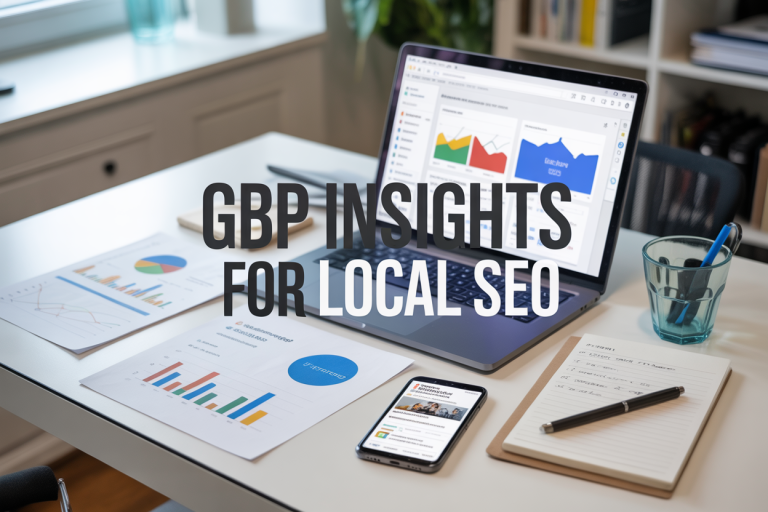
Google My Business Insights serves as your primary dashboard for understanding how customers interact with your local business listing. This powerful tool reveals critical CTR and engagement metrics in local SEO that directly impact your visibility in local search results.
Your GMB Insights dashboard provides essential data points including how customers found your business, the actions they took, and where your listing appeared in search results. The platform tracks phone calls, website clicks, direction requests, and photo views – all crucial engagement metrics SEO professionals need to monitor. You’ll see which search queries triggered your business listing to appear, giving you valuable insight into local keyword performance.
To maximize data collection, ensure your GMB profile is fully optimized with complete business information, high-quality photos, and regular posts. The insights become more valuable as you maintain an active presence, responding to reviews and updating business hours or services. This activity directly influences your engagement rate CTR by keeping your listing fresh and relevant to potential customers.
Pay special attention to the “How customers search for your business” section, which shows whether people find you through direct searches (branded terms) or discovery searches (category terms). This data helps you understand the difference between engagement rate and click through rate in your local SEO strategy.
Leverage Google Search Console for local keyword performance analysis
Google Search Console provides unparalleled insight into your local search performance, showing exactly how your website appears in search results for location-based queries. The Performance report reveals which local keywords drive clicks and impressions, helping you understand your CTR vs engagement rate dynamics.
Filter your Search Console data by geographic location to isolate local search performance. This segmentation shows you which areas generate the most clicks and which locations offer growth opportunities. The queries report reveals long-tail local keywords that you might not have considered, often showing phrases that include “near me” or specific neighborhood names.
Use the Pages report to identify which landing pages perform best for local searches. Compare CTR and engagement patterns across different location-specific pages to understand what content resonates with local searchers. The report also shows mobile versus desktop performance, crucial since local searches predominantly happen on mobile devices.
Set up custom filters to track specific local keyword groups, monitoring changes in average position and click-through rates over time. This data helps you understand whether your local SEO efforts are improving your visibility for target keywords and whether changes in rankings correlate with improved engagement vs CTR performance.
Implement Google Analytics 4 for detailed user engagement tracking
Google Analytics 4 revolutionizes local SEO measurement by providing event-based tracking that captures detailed user interactions with your website. Unlike Universal Analytics, GA4’s enhanced measurement automatically tracks scroll depth, outbound clicks, site searches, and video engagement – all valuable key engagement metrics for local businesses.
Set up location-based audiences to segment visitors by geographic proximity to your business locations. This segmentation reveals how local visitors behave differently from distant users, helping you understand the engagement rate vs click through rate relationship for your target market. Create custom events to track location-specific actions like store locator usage, contact form submissions, or phone number clicks.
The Exploration reports in GA4 allow you to analyze user journeys for local visitors, showing how they navigate through your site after arriving from local searches. Path exploration reveals whether users who find you through local searches engage differently than those from other channels, providing insights into SEO engagement metrics effectiveness.
Configure conversion tracking for local business goals such as appointment bookings, quote requests, or store visits. GA4’s enhanced conversions feature helps you track online-to-offline conversions, bridging the gap between digital CTR engagement and actual business results. The attribution modeling shows how different touchpoints contribute to local conversions.
Utilize third-party tools for competitive local SEO monitoring
Third-party tools expand your local SEO monitoring capabilities beyond what Google’s native platforms provide, offering competitive intelligence and market analysis that inform your strategy. These tools help you understand your CTR and engagement performance relative to competitors and identify opportunities for improvement.
BrightLocal and Whitespark provide comprehensive local ranking tracking across multiple search engines and locations. These platforms monitor your local pack rankings and track how your competitors perform for the same keywords, revealing gaps in your SEO and CTR strategy. They also offer citation tracking and review monitoring, two factors that significantly impact local search visibility.
SEMrush and Ahrefs local SEO features analyze competitor keywords, backlinks, and content strategies. Their local keyword tracking shows you which terms drive traffic to competitor websites, helping you understand market demand and engagement metrics SEO opportunities. These tools also reveal competitor content that performs well locally, informing your content strategy.
Tools like LocalFalcon provide heat maps showing how your rankings vary across different areas within your target market. This geographic granularity helps you understand why your engagement rate vs CTR might vary across different neighborhoods or districts, allowing you to tailor your optimization efforts to specific areas where you’re underperforming.
Optimizing Google My Business Listings to Improve CTR
Craft compelling business descriptions that drive clicks
Your Google My Business description acts as your digital elevator pitch, directly impacting CTR and engagement metrics in local SEO. A well-crafted description should immediately communicate your value proposition while incorporating location-specific keywords naturally. Focus on what makes your business unique and why customers should choose you over competitors.
Start with your most compelling selling point in the first sentence. Instead of generic phrases like “We provide excellent service,” specify what excellent means: “We deliver custom birthday cakes within 2 hours across downtown Portland.” This approach immediately sets expectations and appeals to local searchers with urgent needs.
Include your primary services, operating hours, and any special offers or certifications. Keep sentences short and punchy. Your description should answer the three questions every potential customer asks: What do you do? Where are you located? Why should I care?
Upload high-quality photos and videos to increase engagement
Visual content significantly impacts engagement rate CTR by making your listing more appealing and trustworthy. Google My Business posts with photos receive 42% more requests for directions and 35% more click-throughs to websites compared to posts without images.
Upload photos across all categories: exterior, interior, team, products, and services. Each image should tell a story about your business experience. A restaurant should showcase signature dishes with appetizing lighting, while a dental office might highlight modern equipment and comfortable waiting areas.
Videos perform exceptionally well for boosting seo engagement metrics. Create short clips showing your team in action, customer testimonials, or behind-the-scenes content. These authentic glimpses into your business build trust and encourage users to visit or call.
Update visual content regularly to keep your listing fresh. Seasonal photos, new product launches, and special events signal to both Google and customers that your business stays active and current.
Maintain accurate NAP information across all platforms
Consistent Name, Address, and Phone number (NAP) information serves as the foundation for local SEO success and directly affects your CTR engagement performance. Google’s algorithm relies on NAP consistency to verify business legitimacy and determine local ranking positions.
Audit all your online listings monthly to ensure consistency. This includes your website, social media profiles, directory listings, and review platforms. Even minor variations like “St.” versus “Street” or missing suite numbers can confuse search engines and hurt your visibility.
Use the exact same format across all platforms. If your Google My Business lists your address as “123 Main Street, Suite 456,” maintain this format everywhere else. Create a master document with your standardized NAP information and share it with anyone managing your online presence.
Encourage and respond to customer reviews strategically
Customer reviews directly influence both engagement rate vs CTR performance and local search rankings. Reviews serve as social proof while review responses demonstrate customer service quality, encouraging more users to engage with your business.
Implement a systematic review collection strategy. Send follow-up emails after purchases, include review requests on receipts, and train staff to mention reviews during positive customer interactions. Make the process easy by providing direct links to your Google My Business review section.
Response strategy matters more than review quantity. Reply to every review within 24-48 hours, personalizing each response with specific details from the customer’s experience. For positive reviews, express genuine gratitude and highlight specific services mentioned. For negative reviews, acknowledge concerns professionally and offer solutions publicly while moving detailed discussions private.
Your review response rate and quality impact key engagement metrics because they show potential customers how you handle both praise and criticism. Users often read business responses before deciding to visit or call, making this a critical CTR and engagement factor.
Content Strategies That Boost Local Engagement Rates

Create location-specific landing pages with targeted keywords
Building dedicated landing pages for different locations dramatically improves your CTR and engagement metrics in local SEO. Each page should focus on specific geographical areas your business serves, incorporating neighborhood names, landmarks, and regional terms that locals actually search for.
Start by researching search patterns in each target area. Look at what people type when searching for your services in different neighborhoods. Someone in downtown might search differently than someone in the suburbs. Use these insights to craft unique content that speaks directly to each community’s needs and preferences.
Your location pages need more than just swapped-out city names. Include local success stories, area-specific services, and content that shows you understand each community. This authentic local focus directly impacts engagement rate CTR because visitors see relevant information that matches their search intent.
Structure these pages with clear navigation paths that guide users toward taking action. Include local phone numbers, address information, and area-specific testimonials. This approach helps search engines understand your local relevance while giving visitors exactly what they’re looking for.
Develop locally relevant blog content that addresses community needs
Local blog content serves as a powerful driver for SEO engagement metrics by connecting with your audience on topics they actually care about. Research local events, seasonal challenges, regulatory changes, and community discussions that affect your target customers.
Create content calendars around local happenings. Cover community festivals, local business spotlights, seasonal services, and area-specific tips. This type of content naturally attracts local backlinks and social shares, which boost your overall SEO engagement rate.
Address common local problems through your expertise. If you’re a plumber, write about winterizing pipes in your climate. If you run a restaurant, cover local food trends or partner with nearby suppliers. This problem-solving approach increases dwell time and encourages repeat visits.
Track which local topics generate the highest engagement rate vs CTR to refine your content strategy. Some topics might drive clicks but low engagement, while others create strong engagement but limited initial traffic. Balance both metrics by mixing evergreen local content with trending community topics.
Optimize meta titles and descriptions for local search queries
Meta optimization directly influences CTR vs engagement rate by affecting both search visibility and user expectations. Your meta titles should include location-specific keywords while clearly stating your value proposition.
Craft compelling meta descriptions that speak to local search intent. Instead of generic descriptions, mention specific areas you serve, local credentials, or community involvement. This approach improves CTR (in context of SEO) stands for relevance while setting proper visitor expectations.
Test different meta title formats to find what resonates with your local audience. Some markets respond better to formal language, while others prefer conversational tones. Monitor your difference between engagement rate and click through rate to see which approach drives both clicks and meaningful site interactions.
Include local modifiers naturally throughout your meta content. Terms like “near me,” specific zip codes, or neighborhood names help search engines match your content with local queries. This precision targeting improves both search rankings and user satisfaction, creating a positive feedback loop for your CTR and engagement performance.
Analyzing Performance Data to Make Informed SEO Decisions

Identify patterns in CTR fluctuations and seasonal trends
CTR and engagement metrics in local SEO don’t exist in a vacuum – they follow predictable patterns that smart business owners can leverage. Your local search performance naturally ebbs and flows throughout the year, and recognizing these cycles gives you a massive advantage over competitors who treat every month the same.
Start by pulling your CTR data from Google My Business Insights and Google Analytics for at least 12 months. Look for recurring spikes during specific months or seasons that align with your business type. A landscaping company might see CTR engagement spike in March and April when homeowners start thinking about spring cleanup, while a tax preparation service will see peaks from January through April.
Weekly patterns matter just as much as seasonal ones. Restaurant owners often notice higher engagement rates on weekends, while B2B services see better performance during weekdays. Track these micro-trends to optimize your posting schedule and content timing.
Don’t ignore external factors that impact your local SEO engagement metrics. Local events, holidays, weather patterns, and even economic conditions can cause significant CTR fluctuations. A sudden drop in engagement rate CTR might correlate with a major local festival drawing attention elsewhere, or a heat wave keeping people indoors instead of searching for outdoor activities.
Benchmark engagement metrics against industry standards
Understanding whether your CTR vs engagement performance is good requires context from your industry peers. Different sectors have vastly different baseline expectations for local search performance, and what looks like failure in one industry might represent success in another.
Research shows average CTR rates for local businesses typically range from 3-5%, but this varies dramatically by industry. Healthcare providers often see higher CTR and engagement rates due to urgent search intent, while luxury services might have lower volume but higher-quality engagement. Professional services typically fall somewhere in the middle with steady, consistent performance.
| Industry | Average Local CTR | Typical Engagement Rate | Peak Performance Months |
|---|---|---|---|
| Restaurants | 4-6% | 8-12% | May-September |
| Healthcare | 6-8% | 10-15% | Year-round |
| Legal Services | 3-5% | 6-10% | January, September |
| Home Services | 5-7% | 12-18% | Spring/Summer |
Create your own benchmarking system by tracking competitors in your area and industry. Tools like SEMrush Local and BrightLocal help you monitor how your seo engagement metrics stack up against similar businesses. Don’t just look at direct competitors – examine businesses that serve similar customer needs or operate in adjacent markets.
Correlate website conversions with local search performance
The real magic happens when you connect your CTR and engagement data with actual business outcomes. High engagement rate vs click through rate means nothing if those clicks aren’t converting into customers, appointments, or sales.
Set up conversion tracking that follows the customer journey from local search to final purchase. Google Analytics 4 makes this easier with enhanced e-commerce tracking and goal setup. You can see exactly which local search queries led to phone calls, form submissions, or in-store visits.
Pay attention to the difference between engagement rate and click through rate when analyzing conversion paths. A lower CTR with higher conversion rates often indicates better search result quality – you’re attracting fewer but more qualified prospects. Conversely, high CTR with poor conversion rates suggests your listings attract attention but don’t deliver on promises.
Track these key engagement metrics for conversion analysis:
- Time from local search to conversion
- Pages visited after clicking from local results
- Bounce rate from local traffic
- Average order value from local search visitors
- Phone call duration from click-to-call features
Track competitor performance to identify improvement opportunities
Your competitors’ SEO engagement rate data reveals gaps in your own strategy and highlights opportunities you might be missing. Regular competitive analysis shows you what’s working in your market and helps you spot trends before they become widespread.
Monitor competitor Google My Business profiles for posting frequency, photo uploads, review response rates, and customer questions. Their engagement patterns often reveal successful content strategies you can adapt for your business. If a competitor consistently gets higher engagement on certain post types, test similar content with your unique spin.
Use tools like Ahrefs Local or Moz Local to track competitor keyword rankings and see which search terms drive their best performance. Look for keywords where they rank well but you don’t appear – these represent immediate opportunities to capture market share.
Watch for seasonal strategies that competitors use successfully. Do they ramp up posting before busy seasons? Change their service descriptions for different times of year? Adjust their hours or special offers based on demand patterns? These insights help you build more sophisticated local SEO campaigns that match or exceed their performance.
Advanced Tactics for Sustained Local SEO Growth

Implement schema markup for enhanced local search visibility
Schema markup serves as a secret weapon for local businesses wanting to stand out in search results. This structured data language helps search engines understand your content better, leading to rich snippets that can dramatically boost your CTR and engagement metrics in local SEO.
Local business schema tells Google exactly what your business offers, where it’s located, and when it’s open. When implemented correctly, this markup can generate enhanced search results featuring star ratings, business hours, phone numbers, and even pricing information directly in the search results page.
Restaurant schema works particularly well for food businesses, displaying menus, cuisine types, and price ranges. Service area businesses benefit from LocalBusiness schema, which showcases service territories and contact information. Professional services can leverage Organization schema to highlight credentials and specializations.
The relationship between engagement rate vs CTR becomes clearer when schema markup is in play. Rich snippets naturally attract more clicks, but they also set proper expectations, leading to higher engagement rates from qualified traffic. Users who click through rich snippets typically spend more time on your site because they found exactly what they were looking for.
Build local citations and backlinks to strengthen domain authority
Local citations and backlinks form the backbone of sustained local SEO growth. Citations mention your business name, address, and phone number (NAP) across various online directories, while local backlinks provide credibility signals that search engines value highly.
Start with major directories like Yelp, Yellow Pages, and industry-specific platforms. Consistency across all citations is crucial – even minor variations in your business name or address can confuse search engines and hurt your rankings. Create a spreadsheet to track all your citations and ensure NAP information matches exactly across every platform.
Local backlink opportunities often hide in plain sight. Partner with complementary local businesses for cross-referrals. Sponsor community events or sports teams for website mentions. Write guest posts for local blogs or news websites. Chamber of Commerce memberships typically include website listings with valuable local backlinks.
Quality trumps quantity every time. One backlink from a respected local news website carries more weight than dozens of low-quality directory listings. Focus on building relationships with local journalists, bloggers, and business owners who can naturally reference your business in their content.
Optimize for voice search and mobile-first indexing
Voice search optimization requires a completely different approach than traditional SEO. People speak differently than they type, using longer, more conversational queries. Instead of typing “pizza restaurant downtown,” someone might ask, “Where’s the best pizza place near me that’s open right now?”
Target natural language phrases and question-based keywords. Create FAQ pages that directly answer common voice search queries about your business. Include phrases like “near me,” “open now,” and “best [service] in [city]” throughout your content naturally.
Mobile-first indexing means Google primarily uses your mobile site version for ranking and indexing. Your mobile site needs to load lightning-fast and provide excellent user experience. Compress images, minimize code, and ensure all content is easily accessible on mobile devices.
SEO engagement metrics improve significantly when your site performs well on mobile devices. Users stay longer, bounce rates decrease, and conversion rates increase when mobile experiences are optimized. Google’s mobile-friendly test tool can identify specific issues affecting your mobile performance.
Create location-based social media campaigns that drive traffic
Location-based social media campaigns connect your business with the local community while driving measurable traffic to your website. These campaigns work best when they’re authentic and genuinely useful to local audiences.
Create content around local events, seasonal activities, and community news. Share behind-the-scenes content showing your local team members or featuring local customers. User-generated content campaigns encouraging customers to share photos with location tags can expand your reach organically.
Geo-targeted advertising on Facebook and Instagram allows precise targeting based on location, interests, and behaviors. Test different ad formats – carousel ads showcasing multiple products, video ads demonstrating services, or simple image ads highlighting special offers.
The difference between engagement rate and click through rate becomes apparent in social media campaigns. High engagement rates (likes, comments, shares) build brand awareness and trust, while strong click-through rates drive actual website traffic. Both metrics matter for local businesses – engagement builds community relationships while clicks generate leads and sales.
Track location-specific hashtags and engage with other local businesses’ content. Social media algorithms favor accounts that actively participate in conversations rather than just broadcasting messages. Respond to comments promptly and join relevant local discussions to increase your visibility in local social feeds.

Tracking your CTR and engagement metrics:
Tracking your CTR and engagement metrics isn’t just about collecting numbers – it’s about understanding what your local customers actually want and how they interact with your business online. When you consistently monitor these metrics through tools like Google My Business insights and local SEO platforms, you gain valuable insights that help you refine your content strategy and optimize your listings for better visibility. The data tells a story about which posts resonate with your audience, what times they’re most active, and which aspects of your business they find most compelling.
Start implementing these monitoring strategies today by setting up regular check-ins with your metrics and making small, data-driven adjustments to your local SEO approach. Focus on creating content that speaks directly to your community’s needs while keeping your Google My Business profile fresh and engaging. Remember, local SEO success comes from building genuine connections with nearby customers, and the metrics you track should guide you toward those meaningful interactions that drive real business results.
FAQs
What is CTR and why does it matter for local SEO?
CTR stands for Click-Through Rate, which measures how many people click on your website link when it appears in search results. For local businesses, a higher CTR tells Google that people find your listing relevant and useful, which can help improve your rankings in local search results.
How do I track my local SEO CTR?
You can track your local SEO CTR through Google Search Console and Google Business Profile insights. These tools show you how often your website appears in search results and how many people actually click through to visit your site. Most small businesses check these numbers weekly or monthly.
What’s considered a good CTR for local businesses?
A good CTR for local businesses typically ranges from 2-5% for organic search results, but this can vary by industry. Local search results often have higher CTRs because people searching for “near me” terms are usually ready to take action. Focus on improving your own CTR over time rather than comparing to others.
Which engagement metrics should I monitor for local SEO?
Key engagement metrics include time spent on your website, bounce rate, pages per session, and actions taken like phone calls or direction requests. Also track how people interact with your Google Business Profile – views, clicks for directions, website visits, and phone calls are all important signals.
How often should I check my CTR and engagement data?
Check your basic metrics weekly to spot any sudden changes, but do your main analysis monthly. This gives you enough data to see real trends without getting caught up in daily fluctuations that don’t mean much. Set up simple alerts in Google Analytics if something drops significantly.
What can cause my local SEO CTR to drop suddenly?
Common causes include new competitors appearing in search results, outdated business information, negative reviews affecting your reputation, or changes to your website that make it load slowly. Sometimes Google algorithm updates can also shift rankings and affect CTR.
How do I improve my CTR for local searches?
Write compelling titles and descriptions that include your location and main services. Keep your Google Business Profile updated with current hours, photos, and contact info. Encourage happy customers to leave reviews, and respond to all reviews professionally. Make sure your website loads quickly on mobile devices.
What’s the connection between user engagement and local search rankings?
Google looks at how people interact with your website after clicking through from search results. If visitors stay on your site longer, view multiple pages, or take actions like calling or getting directions, it signals that your business provides valuable information. This can help improve your local search rankings over time.
Should I worry if my engagement metrics fluctuate from month to month?
Small fluctuations are normal, especially for seasonal businesses. Look for clear trends over 3-6 months rather than worrying about short-term changes. If you see a steady decline for several months, that’s when you should investigate and make improvements to your website or local SEO strategy.
What tools do I need to monitor these metrics effectively?
Start with the free tools: Google Search Console, Google Business Profile insights, and Google Analytics. These cover most of what small businesses need to track. You can also use tools like Google My Business API or third-party platforms if you manage multiple locations, but the free options work great for getting started.