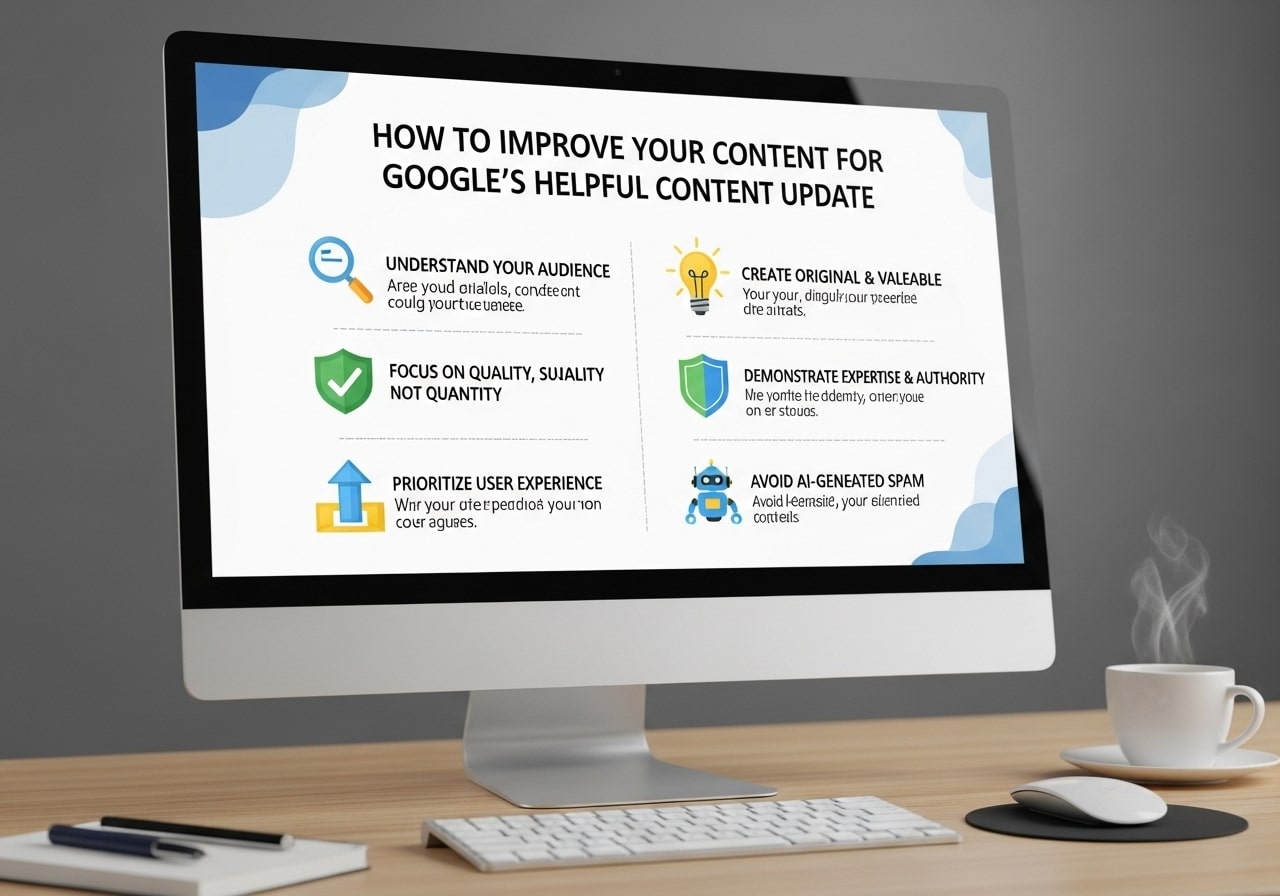
Have you noticed your website’s traffic dropping recently? You might have been affected by Google’s Helpful Content Update, a major algorithm change that has reshaped how Google ranks websites. This comprehensive guide will help you understand the google helpful content algorithm update and show you exactly how to adapt your content strategy.
What is Google’s Helpful Content Update?
Google’s Helpful Content Update represents a fundamental shift in how Google evaluates and ranks content. This algorithm update focuses on promoting content that is genuinely helpful to users while demoting content created primarily for search engines rather than people.
The helpful content update by google uses machine learning to identify content that demonstrates experience, expertise, authoritativeness, and trustworthiness (E-E-A-T). Unlike previous updates that targeted specific issues, this system-wide change affects how Google views content across all topics and industries.
Key Components of the Update
Google’s helpful content system evaluates several factors:
- People-first content creation: Content written primarily to help users rather than manipulate search rankings
- First-hand experience: Content demonstrating actual experience with topics, products, or services
- Content depth and quality: Comprehensive coverage that thoroughly addresses user needs
- Author expertise: Clear demonstration of knowledge and authority in the subject matter
Timeline of Google’s Helpful Content Updates
Understanding the timeline helps website owners track which changes might have affected their sites:
2022: The Initial Launch
The google helpful content update 2022 launched in August 2022, marking the first implementation of this system. This initial rollout primarily targeted websites with large amounts of low-quality content.
2023: Major Refinements
The google helpful content update september 2023 introduced significant improvements to the algorithm’s ability to detect helpful content. This update was more precise in identifying content quality issues and provided clearer recovery paths for affected sites.
2024: Continued Evolution
The google helpful content update 2024 brought enhanced detection capabilities and expanded the system’s reach across different content types and languages. This version showed improved understanding of user intent and content relevance.
2025: Current State
The google helpful content update 2025 continues to evolve, with Google making regular improvements to better identify and reward genuinely helpful content.
Understanding Google’s Helpful Content System
Google’s helpful content system operates as a site-wide signal that can impact your entire website’s performance in search results. Unlike manual penalties, this is an algorithmic assessment that happens automatically.
How the Algorithm Works
The system analyzes your content using sophisticated machine learning models that evaluate:
- Content purpose: Why was this content created?
- User satisfaction: Does the content satisfy user intent?
- Expertise demonstration: Does the author show knowledge of the topic?
- Content uniqueness: Does it provide original value or just rehash existing information?
Site-Wide Impact
One crucial aspect of the google’s helpful content update hcu is its site-wide nature. If Google determines that your site has a substantial amount of unhelpful content, it can affect your entire site’s rankings, even for pages that might otherwise be considered helpful.
Signs Your Site Was Hit by the Helpful Content Update
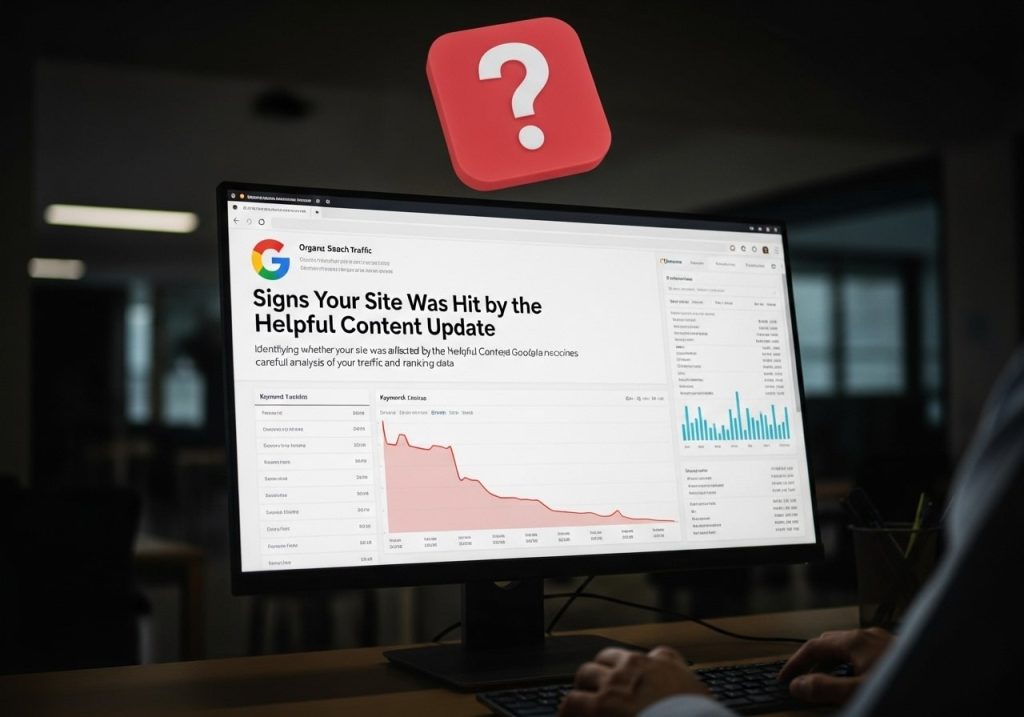
Identifying whether your site was affected by the helpful content google update requires careful analysis of your traffic and ranking data.
Traffic Pattern Analysis
Look for these indicators in your analytics:
- Sudden traffic drops: Significant decreases following update rollout dates
- Broad-based declines: Multiple pages losing rankings simultaneously rather than isolated drops
- Sustained losses: Traffic that doesn’t recover quickly, indicating algorithmic rather than temporary issues
Ranking Changes
Monitor your search rankings for:
- Multiple keyword drops: Many keywords losing positions at once
- SERP feature losses: Losing featured snippets, People Also Ask boxes, or other SERP features
- Competitor gains: Direct competitors suddenly outranking you for terms where you previously performed well
Content Performance Metrics
Evaluate your content using these metrics:
- Click-through rates: Declining CTRs from search results
- Bounce rates: Increasing bounce rates indicating user dissatisfaction
- Time on page: Decreasing engagement metrics suggesting content doesn’t meet user needs
How to Recover from Google’s Helpful Content Update
How to recover from google helpful content update requires a systematic approach focusing on content quality improvement and user experience enhancement.
Content Audit and Assessment
Start with a comprehensive content audit:
- Identify low-performing content: Use Google Search Console to find pages with declining performance
- Evaluate content purpose: Ask whether each piece was created primarily for users or search engines
- Assess content depth: Determine if your content thoroughly covers topics or provides superficial coverage
- Review author expertise: Ensure content creators have demonstrated knowledge in their subject areas
Content Improvement Strategies
Focus on these key areas for google helpful content update recovery:
Enhance Content Depth
- Add comprehensive information that fully addresses user questions
- Include real-world examples and case studies
- Provide actionable advice users can implement
- Update outdated information with current data and insights
Demonstrate Experience
- Share personal experiences and first-hand knowledge
- Include original research, data, or insights
- Add author bios highlighting relevant expertise
- Use specific examples rather than general statements
Improve User Experience
- Ensure fast page loading speeds
- Optimize for mobile devices
- Create clear, scannable content structure
- Add helpful images, charts, or multimedia elements
Content Removal Strategy
Sometimes recovery requires removing unhelpful content:
- Low-quality pages: Remove thin, duplicate, or unhelpful pages
- Outdated content: Delete or significantly update obsolete information
- AI-generated content: Review and improve content created primarily by AI tools
- Keyword-stuffed pages: Remove or rewrite content created primarily for SEO manipulation
Google’s Helpful Content Guidelines
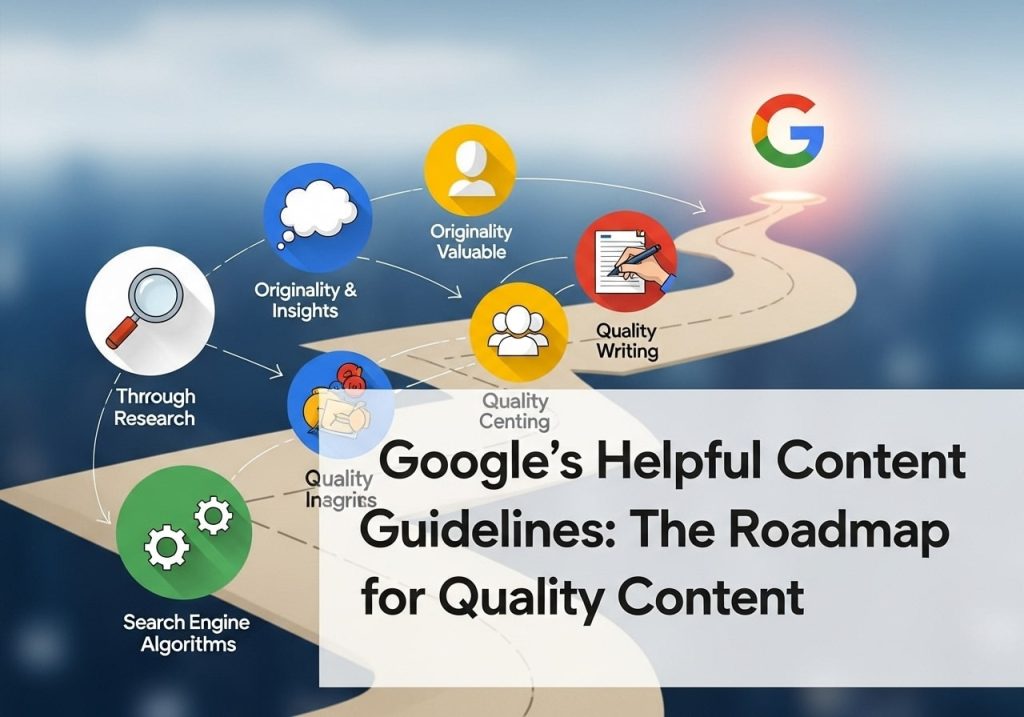
Google helpful content guidelines provide the roadmap for creating content that aligns with the algorithm’s expectations.
Core Principles
Google emphasizes these fundamental principles:
- People-first content: Create content primarily to help users, not to rank in search engines
- Demonstrate expertise: Show real knowledge and experience in your subject area
- Provide substantial value: Offer insights, information, or resources users can’t easily find elsewhere
- Focus on user satisfaction: Ensure visitors leave your site having accomplished their goals
Content Creation Framework
Use this framework when creating new content:
Before Writing
- Identify user intent: Understand what users actually want to know
- Research thoroughly: Go beyond surface-level information
- Plan comprehensive coverage: Outline all aspects users might need
- Consider user journey: Think about what users might need next
During Creation
- Write naturally: Use conversational, helpful language
- Include personal insights: Add your own perspective and experience
- Provide specific examples: Use real-world scenarios and case studies
- Structure for scanning: Use headings, bullets, and short paragraphs
After Publishing
- Monitor user engagement: Track how users interact with your content
- Update regularly: Keep information current and accurate
- Respond to feedback: Address user questions and comments
- Measure success: Focus on user satisfaction metrics, not just rankings
Real-World Examples and Case Studies
Understanding what is google helpful content update becomes clearer through real examples of sites that were affected and recovered.
Recovery Success Stories
Many websites have successfully recovered from the helpful content google algorithm by implementing focused improvement strategies:
Case Study 1: Niche Authority Site
A health and wellness website saw traffic drop by 60% after the initial update. Their recovery strategy included:
- Removing 40% of low-quality, thin content
- Adding detailed author bios with medical credentials
- Incorporating original research and patient case studies
- Improving content depth with comprehensive condition coverage
Result: Full traffic recovery within 8 months
Case Study 2: E-commerce Blog
An e-commerce site’s blog lost 70% of organic traffic. Recovery efforts focused on:
- Replacing generic product descriptions with detailed reviews
- Adding hands-on testing and comparison content
- Including high-quality images and videos of products in use
- Creating comprehensive buying guides based on actual customer needs
Result: Traffic increased 120% above previous levels within 6 months
Common Recovery Timelines
Google helpful content update recovery typically follows these timelines:
- Quick wins: 2-4 weeks for technical improvements and obvious quality issues
- Content improvements: 3-6 months for comprehensive content overhauls
- Full recovery: 6-12 months for complete site-wide improvements
- Beyond recovery: 12+ months for sites that exceed previous performance levels
Future-Proofing Your Content Strategy

Preparing for future iterations of google’s helpful content algorithm update requires building sustainable, user-focused content practices.
Sustainable Content Practices
Develop these long-term strategies:
Build Real Expertise
- Invest in subject matter expertise
- Hire writers with genuine experience
- Encourage first-hand research and testing
- Create original data and insights
Focus on User Needs
- Regularly survey your audience
- Monitor user behavior and feedback
- Update content based on changing user needs
- Prioritize user satisfaction over search rankings
Maintain Quality Standards
- Develop content quality guidelines
- Implement review processes
- Regularly audit and update existing content
- Remove or improve underperforming content
Content Strategy Evolution
Adapt your content strategy to align with Google’s direction:
- Quality over quantity: Focus on creating fewer, higher-quality pieces
- Depth over breadth: Thoroughly cover topics rather than surface-level treatment
- Experience over theory: Emphasize practical, actionable content
- User satisfaction over search metrics: Prioritize user needs and satisfaction
Common Mistakes to Avoid
Learning from others’ experiences with the helpful content update google can prevent costly mistakes:
Content Creation Mistakes
- Creating content solely based on keyword research without considering user needs
- Publishing thin, superficial content that doesn’t fully address topics
- Relying too heavily on AI-generated content without human expertise and review
- Focusing on search engine optimization at the expense of user experience
Recovery Strategy Mistakes
- Making hasty changes without proper analysis
- Removing content that might actually be helpful
- Focusing only on technical SEO without addressing content quality
- Expecting immediate results from improvement efforts
Long-term Strategy Mistakes
- Returning to old content creation practices after initial recovery
- Neglecting ongoing content maintenance and updates
- Ignoring user feedback and engagement metrics
- Failing to adapt to evolving user needs and search trends
Tools and Resources for Content Assessment
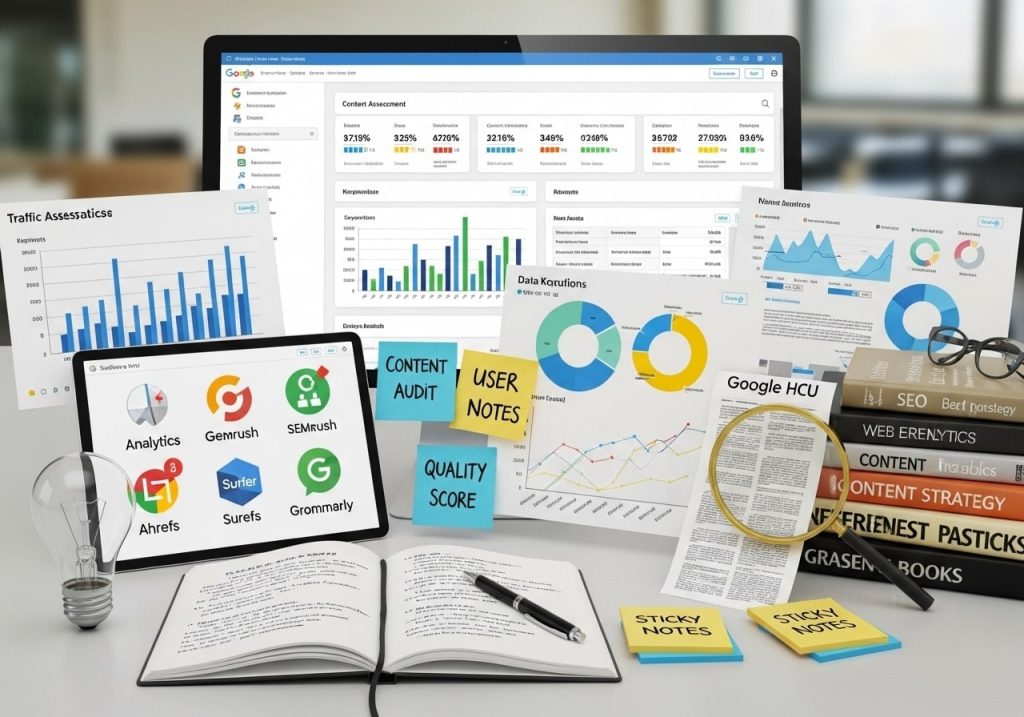
Effective management of google helpful content update impacts requires the right tools and resources.
Analytics and Monitoring Tools
Use these tools to track your progress:
Google Search Console
- Monitor search performance and ranking changes
- Identify pages with declining performance
- Track click-through rates and impressions
- Analyze search queries and user behavior
Google Analytics
- Measure user engagement metrics
- Track bounce rates and time on page
- Analyze user flow and behavior patterns
- Monitor conversion rates and goal completions
Content Quality Assessment
Evaluate your content using these approaches:
Manual Review Process
- Regular content audits using quality checklists
- User testing and feedback collection
- Expert review by subject matter specialists
- Competitive analysis and benchmarking
Automated Tools
- Content analysis tools for readability and structure
- SEO tools for technical optimization
- Page speed and performance monitoring
- Mobile usability testing tools
The Google’s Helpful Content Update represents a permanent shift toward prioritizing user-focused, high-quality content. Success requires understanding that this isn’t just another algorithm update to game, but a fundamental change in how Google evaluates content value.
Recovery from the helpful content google algorithm requires patience, dedication to quality, and a genuine commitment to serving user needs. Focus on creating content that demonstrates real expertise, provides substantial value, and truly helps your audience achieve their goals.
Remember that the google helpful content system will continue evolving. The best strategy is building a sustainable content approach that prioritizes user satisfaction over search engine manipulation. This approach not only helps you recover from current impacts but also positions you for success with future updates.
Ready to improve your content strategy? Start by auditing your existing content using the guidelines in this post, and begin implementing user-focused improvements today. Share your experiences with the Helpful Content Update in the comments below – your insights could help other website owners navigate these changes successfully.
FAQs
What exactly is Google’s Helpful Content Update?
Google’s Helpful Content Update is a ranking system that rewards content created for people rather than search engines. It looks for content that provides real value to readers and helps them accomplish what they’re looking for. The update automatically reduces the visibility of content that seems written just to rank well in search results.
How can I tell if my content is actually helpful to readers?
Ask yourself: Would someone find this useful even if they didn’t come from Google? Does it answer their questions completely? Can they take action based on what you’ve written? If real people share, bookmark, or spend time reading your content, that’s a good sign. Also, check if visitors are bouncing away quickly – that might mean your content isn’t meeting their needs.
What makes content unhelpful in Google’s eyes?
Content that’s thin, repetitive, or clearly written just to target keywords gets flagged as unhelpful. This includes articles that don’t add anything new to what’s already out there, content stuffed with keywords that don’t flow naturally, or pages that promise information but don’t deliver. AI-generated content that lacks human insight or personal experience also falls into this category.
Should I stop using keywords completely?
Not at all. Keywords are still important for helping people find your content. The key is using them naturally within genuinely helpful content. Instead of forcing keywords into every paragraph, focus on writing for your audience first. When you create content that truly helps people, relevant keywords usually appear naturally in your writing.
How important is personal experience in my content now?
Personal experience has become much more valuable. Google wants to see that real people with actual knowledge or experience wrote the content. Share your own stories, lessons learned, specific examples, and unique insights. This helps your content stand out from generic information that anyone could copy and paste.
Does the length of my content matter for this update?
Content length matters less than content quality. A short article that completely answers someone’s question is better than a long article full of fluff. Focus on covering your topic thoroughly – sometimes that takes 500 words, sometimes 2,000. The goal is to give readers everything they need without wasting their time.
How can I make my existing content more helpful?
Start by reviewing your current content through a reader’s eyes. Add real examples, update outdated information, and remove anything that doesn’t add value. Include actionable steps people can take, answer related questions they might have, and make sure your content flows logically from start to finish.
What should I do about AI-generated content?
If you use AI tools to help with content creation, always add your own expertise, examples, and insights. AI can be a starting point, but successful content needs human knowledge and experience. Edit AI content heavily, fact-check everything, and make sure it reflects your unique perspective or expertise.
How quickly will I see results from these changes?
Google’s Helpful Content Update can take several months to fully recognize improvements to your content. Some people see changes in a few weeks, while others wait several months. The key is being patient and consistently creating better content rather than expecting immediate results.
What’s the biggest mistake people make when trying to adapt to this update?
The biggest mistake is making small tweaks instead of really improving content quality. Simply adding a few sentences or changing some keywords won’t help. You need to genuinely make your content more useful, detailed, and valuable to readers. Focus on serving your audience better, and the search engine benefits will follow.