
Search marketers and SEO professionals know that not all keywords are created equal. Local vs global search intent keywords represent two distinct approaches to capturing your audience, and understanding keyword search intent can make or break your content strategy.
This guide is designed for digital marketers, content creators, and business owners who want to master location-based keywords and improve their search rankings. You’ll discover how to identify the difference between someone searching for “pizza delivery” in their neighborhood versus “pizza recipes” for general cooking inspiration.
We’ll break down the key differences between local and global search intent, showing you how to spot local intent search queries that drive foot traffic versus broader informational searches that build brand awareness. You’ll also learn practical search intent analysis techniques to classify your target keywords and create content that matches exactly what your audience wants to find.
Understanding Search Intent Fundamentals

Defining search intent and its impact on SEO success
Search intent represents the underlying reason behind every query users type into search engines. When someone searches for “best pizza near me,” they’re looking for local restaurants, not recipes or pizza history. This fundamental concept drives modern SEO success because search engines prioritize content that matches what users actually want.
Understanding keyword search intent transforms how content performs in search results. Google’s algorithms have evolved to recognize and reward content that satisfies user needs rather than simply matching keywords. Websites that align their content with search intent see higher rankings, increased click-through rates, and better user engagement metrics.
The relationship between search intent and SEO success becomes clear when examining user behavior. People who find exactly what they’re looking for stay longer on websites, bounce less frequently, and convert at higher rates. Search engines interpret these positive signals as indicators of quality content, boosting rankings accordingly.
Four primary types of search intent every marketer must know
The four types of search intent form the foundation of effective keyword research and content strategy. Each type requires different approaches to content creation and optimization.
Informational Intent drives queries where users seek knowledge or answers. Examples include “how to change a tire” or “what is search intent classification.” These searches represent the largest volume of queries and require educational content that thoroughly addresses user questions.
Navigational Intent occurs when users search for specific websites or brands. Queries like “Facebook login” or “Amazon customer service” show users know exactly where they want to go. Optimizing for navigational intent means ensuring your brand appears prominently for branded searches.
Transactional Intent signals readiness to purchase or take action. Keywords containing “buy,” “purchase,” “discount,” or “deal” indicate commercial intent. Content for transactional queries should focus on product benefits, pricing, and clear calls-to-action.
Commercial Investigation represents the research phase before purchasing. Users compare options with queries like “best running shoes 2024” or “iPhone vs Samsung comparison.” Content targeting commercial investigation should provide detailed comparisons, reviews, and buying guides.
How search engines interpret and categorize user queries
Search engines use sophisticated algorithms to analyze query patterns and context clues. Google examines multiple factors including keyword modifiers, user location, search history, and device type to determine intent accurately.
Location signals play a crucial role in intent classification. Queries containing “near me,” city names, or local business types trigger local search intent. Search engines recognize these patterns and display map results, local business listings, and location-specific content.
Temporal indicators help engines understand urgency and timing. Words like “today,” “now,” or “urgent” suggest immediate needs, while “best” or “reviews” indicate research phases. Search engines adjust results accordingly, showing quick answers for immediate needs and comprehensive guides for research queries.
Search intent analysis reveals how engines categorize queries based on user behavior patterns. When users consistently click on shopping results for certain keywords, algorithms learn to associate those terms with commercial intent. This machine learning approach continuously refines intent classification accuracy.
The local vs global search distinction emerges from geographic and linguistic context clues. Search engines consider user location, language preferences, and regional search patterns to determine whether queries require local or global results. This classification affects everything from featured snippets to business listings visibility.
Local Search Intent Keywords Explained

Characteristics that identify local search intent
Local search intent reveals itself through specific patterns that search engines recognize instantly. Users searching with local intent typically include geographic identifiers like city names, neighborhoods, or zip codes directly in their queries. Phrases like “best pizza near me,” “dentist in Chicago,” or “auto repair downtown” clearly signal someone looking for businesses or services within their immediate vicinity.
The search language itself carries distinct markers. Local searchers often use action-oriented words combined with location qualifiers. Terms like “open now,” “directions to,” “hours,” and “phone number” frequently accompany local queries. These searches also tend to be more conversational and specific – people ask questions like “where can I get my car fixed today” rather than generic terms like “auto repair services.”
Timing patterns also distinguish local search intent. These searches spike during business hours, weekends, and when people are actively mobile. The urgency factor plays a huge role – users need immediate solutions to location-specific problems.
Geographic modifiers that trigger local results
Search engines respond to various geographic signals that automatically trigger local search results. City names, state abbreviations, and neighborhood references act as primary location triggers. When someone searches for “coffee shops Seattle” or “restaurants in Times Square,” the search engine immediately understands the geographic context.
Distance-based modifiers create another powerful trigger category. Phrases like “near me,” “nearby,” “close to,” “within 5 miles,” and “walking distance” tell search algorithms that proximity matters more than general relevance. These modifiers work especially well on mobile devices where GPS location data enhances the search experience.
Specific landmark references also trigger local results. Searches including “near the mall,” “downtown area,” or “by the airport” help search engines understand the user’s geographic frame of reference. Even less obvious modifiers like area codes, local colleges, or regional landmarks can activate location-based search features.
Consumer behavior patterns behind local searches
Local search behavior follows predictable patterns that businesses can leverage. Most local searches happen when people face immediate needs – finding food, fixing problems, or locating services right away. This creates high commercial intent since users are ready to take action quickly.
Mobile usage drives the majority of local searches, with people searching while walking, driving, or sitting in locations where they need immediate solutions. The “I need this now” mindset dominates local search behavior, making these queries highly valuable for businesses.
Research shows that local searchers often perform multiple related searches in sequence. Someone might start with “restaurants near me,” then narrow down to “Italian restaurants downtown,” and finally search for specific restaurant names with “menu” or “reviews” added. This search journey reveals progressive intent refinement.
Local searchers also exhibit strong review-seeking behavior. They want social proof before making decisions, especially for services like healthcare, automotive repair, or dining. This creates opportunities for businesses to influence search intent through reputation management.
Mobile usage trends driving local search growth
Mobile devices have revolutionized how people approach local search intent. Over 80% of local searches now happen on smartphones, fundamentally changing user expectations and search patterns. People expect instant, location-aware results that consider their current position and immediate needs.
Voice search through mobile assistants is reshaping local search queries. Users speak more naturally, asking questions like “What’s the best sushi place open right now?” instead of typing fragmented keywords. This conversational approach makes local intent even more explicit and actionable.
Real-time location data enables hyper-local targeting that wasn’t possible before. Mobile users can discover businesses they’re literally walking past, creating spontaneous commercial opportunities. This proximity-based discovery drives impulse decisions and immediate actions.
The “near me” search phenomenon continues growing exponentially on mobile devices. These searches increased over 900% in recent years, with mobile users expecting personalized results based on their exact location, time of day, and previous search history. GPS integration makes every mobile search potentially local, even when users don’t explicitly include geographic terms.
Global Search Intent Keywords Demystified

Broad keyword targeting for worldwide audiences
Global search intent keywords cast the widest possible net, targeting users across continents, cultures, and languages. These keywords focus on universal needs, interests, and behaviors that remain consistent regardless of geographic location. When you’re targeting a worldwide audience, your keyword strategy shifts from specific local terms to broader concepts that resonate globally.
Consider how people search for basic human needs – food, shelter, entertainment, or information. A bakery in New York might target “best cupcakes NYC,” but a global food brand would focus on “healthy breakfast recipes” or “quick dinner ideas.” These universal terms tap into shared experiences that transcend borders.
The beauty of global keyword strategies lies in their scalability. Instead of creating dozens of location-specific campaigns, you can develop content around broad themes that speak to international audiences. Keywords like “digital marketing tips,” “home workout routines,” or “budget travel guide” work equally well for someone in Tokyo, London, or São Paulo.
However, broad targeting requires careful balance. Your keywords need enough specificity to attract qualified traffic while remaining general enough to capture global search volume. The sweet spot often involves targeting industry-specific terms with universal appeal rather than generic words that face overwhelming competition.
Universal search terms that transcend geographic boundaries
Universal search terms represent the holy grail of global search vs local search strategies. These keywords maintain consistent search volume and intent across different regions, making them incredibly valuable for businesses with international reach. Unlike location-based keywords that vary by market, universal terms tap into fundamental human behaviors and needs.
Technology-related searches exemplify this perfectly. Keywords like “smartphone reviews,” “cloud storage solutions,” or “password managers” generate similar interest worldwide. People everywhere need these solutions, and their search intent classification remains consistent regardless of location.
Educational content keywords also perform exceptionally well globally. Terms such as “learn programming,” “photography basics,” or “personal finance tips” attract audiences seeking knowledge and skills. These searches reflect universal desires for self-improvement and learning that cross cultural boundaries.
Health and wellness keywords represent another goldmine for global targeting. Searches for “meditation techniques,” “weight loss tips,” or “stress management” resonate with people worldwide. The core human desire for better health creates consistent search patterns across diverse populations.
Entertainment and lifestyle keywords round out the universal category. Terms like “movie recommendations,” “workout playlists,” or “recipe ideas” generate steady traffic from global audiences. These searches tap into universal interests that remain constant across different markets and demographics.
Scalability advantages of global keyword strategies
Global keyword strategies offer unmatched scalability compared to their local counterparts. When you identify high-performing universal keywords, you can create content that serves millions of users simultaneously instead of targeting small geographic segments. This approach maximizes your content investment and creates opportunities for exponential growth.
Resource efficiency stands as the primary advantage of global vs local search approaches. Rather than maintaining separate content libraries for different regions, you can develop comprehensive resources around universal topics. A single piece of content targeting “social media marketing strategies” can attract traffic from every continent, delivering better ROI than dozens of location-specific articles.
The compound effect of global keywords creates momentum that local strategies struggle to match. As your universal content gains authority and attracts backlinks from diverse sources worldwide, search engines recognize its broad relevance. This recognition boosts rankings across multiple markets simultaneously, creating a snowball effect that amplifies your visibility.
Global keyword strategies also provide valuable insights into international market opportunities. By analyzing search volume patterns for universal terms, you can identify regions with growing interest in your topics. This data helps inform expansion decisions and reveals untapped markets before competitors discover them.
The scalability extends to content repurposing opportunities as well. Universal content can be easily adapted for different formats, languages, and platforms while maintaining its core appeal. A comprehensive guide targeting global keywords can spawn multiple blog posts, social media campaigns, videos, and podcasts, maximizing content value across diverse audiences.
Key Differences Between Local and Global Keywords
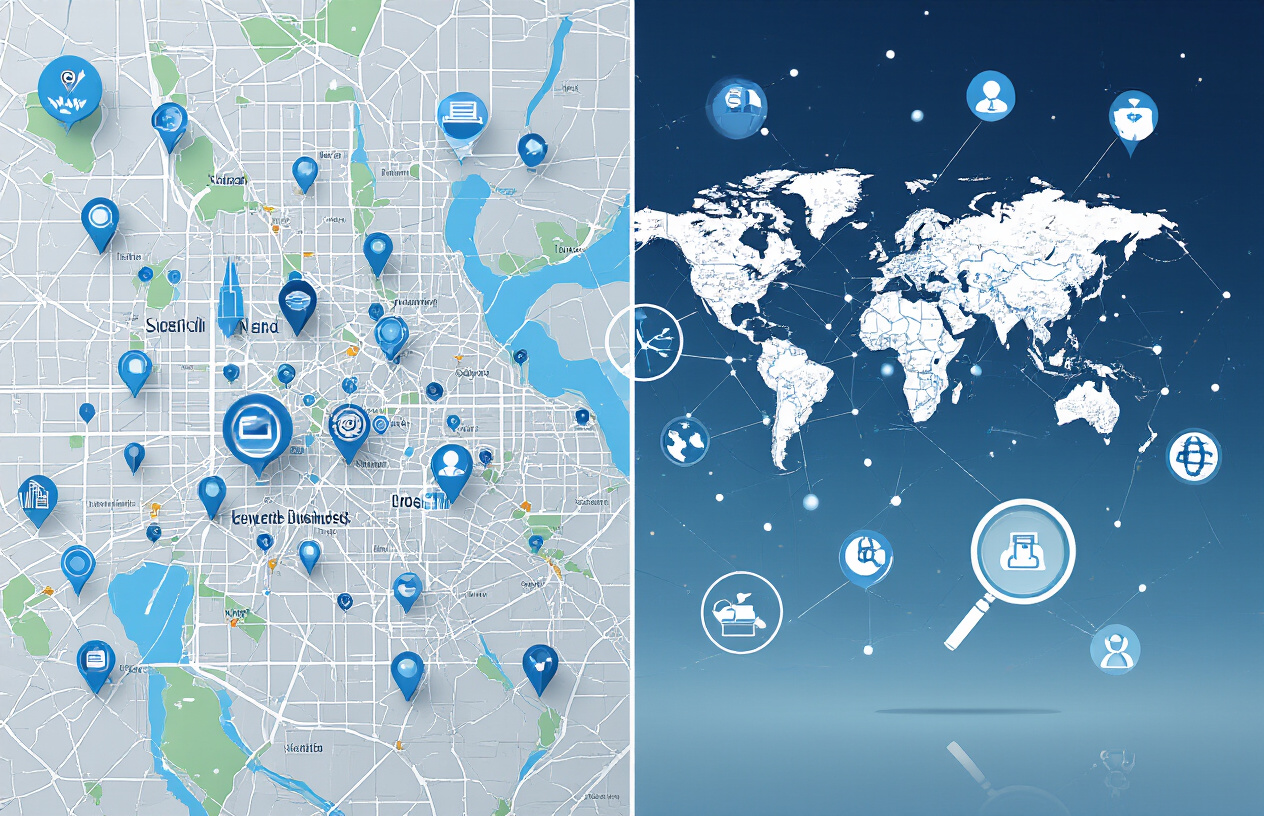
Search volume variations across geographic markets
Understanding local vs global search intent keywords becomes clearer when you examine search volume patterns. Local keywords typically show concentrated search activity within specific regions, while global keywords maintain consistent volume across multiple markets. For instance, “pizza delivery near me” spikes dramatically in urban areas but shows minimal activity in rural locations, whereas “best pizza recipes” maintains steady global interest.
Location-based keywords reveal fascinating patterns when analyzed by state or country. A keyword like “snow removal services” peaks in northern U.S. states during winter months but barely registers in southern regions. This geographic variation directly impacts your SEO strategy and content planning.
Search volume fluctuations also occur based on local events, seasons, and cultural factors. Holiday shopping terms surge in retail-heavy regions, while agricultural keywords dominate in farming communities. Smart marketers track these keyword search volume by state patterns to time their campaigns effectively.
Competition levels and cost implications
The competition landscape shifts dramatically between local and global search scenarios. Local keywords often face fewer competitors, making it easier for small businesses to rank prominently in their area. However, high-value local terms like “personal injury lawyer NYC” can cost significantly more per click than broader global alternatives.
Global keywords present a different challenge. While search volumes are higher, you’re competing against established international brands with massive budgets. The cost-per-click for global terms fluctuates based on market saturation and advertiser demand across different regions.
| Keyword Type | Competition Level | Average CPC Range | Ranking Difficulty |
|---|---|---|---|
| Local Service | Low-Medium | $2-15 | Moderate |
| Local Product | Low | $0.50-5 | Easy-Moderate |
| Global Service | High | $5-50 | High |
| Global Product | Very High | $1-25 | Very High |
Conversion rate differences for local versus global terms
Local intent search queries typically convert at higher rates because users are closer to making purchase decisions. Someone searching “emergency plumber Boston” is likely experiencing an immediate problem and ready to hire services quickly. These high-intent local searches often convert 3-5 times better than global informational queries.
Global searches tend to attract users in earlier research phases. They’re comparing options, learning about products, or exploring solutions without immediate buying intent. While conversion rates may be lower, global keywords can build brand awareness and capture users for future nurturing.
Local versus global conversion patterns also vary by industry. Service-based businesses see dramatic differences, with local searches converting at 15-25% compared to global searches at 2-8%. E-commerce businesses may find smaller gaps since location matters less for shipped products.
User journey mapping for different intent types
The path users take varies significantly between local search intent and global searches. Local users often follow a compressed journey: problem identification, quick research, and immediate action. They might search “urgent care near me,” check hours and reviews, then visit within hours.
Global search users navigate longer, more complex journeys. They start with broad research terms, narrow down options, compare alternatives, and eventually convert through multiple touchpoints. This extended journey requires different content strategies and nurturing approaches.
Search intent classification helps map these journeys effectively. Local navigational searches (“Starbucks downtown”) require location pages and accurate business information. Local transactional searches (“buy iPhone today”) need inventory availability and store pickup options. Global informational searches (“iPhone vs Samsung”) benefit from comprehensive comparison content that guides users toward eventual conversion.
Mobile behavior also differs between search types. Local searches happen more frequently on mobile devices, with users expecting immediate, actionable results. Global searches occur across devices, with users researching on mobile but often converting on desktop later.
Location-Based Keyword Research Strategies

Tools for Identifying Geo-Specific Search Opportunities
Google Keyword Planner remains the foundation for location-based keyword research, offering detailed insights into search volumes by geographic location. The platform reveals how keyword search volume by state varies dramatically, helping you identify regional differences in search behavior. Google Trends provides visual representations of search interest across different locations, making it easy to spot emerging local search opportunities.
SEMrush’s Market Explorer helps analyze local vs global search patterns by comparing search volumes across different regions. Their keyword research tool filters results by specific cities, states, or countries, revealing localized search terms that might not appear in broader searches. Ahrefs Keywords Explorer offers similar functionality, showing keyword difficulty scores and search volumes for specific geographic areas.
Moz Local Market Analytics identifies location-specific search opportunities by analyzing local competitors and their ranking keywords. The tool reveals gaps in local keyword targeting and suggests geo-specific variations of your main keywords.
BrightLocal’s Local Search Rank Checker monitors keyword performance across different locations simultaneously, helping you understand how search intent varies geographically. This insight proves valuable for businesses targeting multiple locations with similar services.
Answer The Public generates question-based keywords filtered by location, revealing how people search differently across regions. These long-tail location-based keywords often have lower competition and higher conversion rates.
Analyzing Competitor Local Keyword Performance
Start by identifying direct local competitors who rank well for your target location-based keywords. Use tools like SpyFu or SEMrush to uncover their complete keyword portfolios, focusing specifically on terms that include location modifiers or demonstrate local search intent.
Examine competitor Google My Business profiles to discover which keywords they’re targeting in their business descriptions, posts, and reviews responses. Pay attention to how they incorporate local terminology and regional language variations that resonate with the target audience.
Analyze competitor content for patterns in their local keyword usage. Look for how they naturally integrate city names, neighborhood references, and regional landmarks into their copy. This reveals effective local SEO strategies and helps identify keyword gaps you can exploit.
Study competitor backlink profiles to understand which local directories, community websites, and regional publications link to their content. These insights reveal local keyword opportunities and potential partnership avenues for your own local SEO efforts.
Monitor competitor local search rankings across different geographic areas using tools like BrightLocal or Whitespark. Track their performance for various location-based keywords to understand their strengths and weaknesses in different markets.
Mining Google My Business Insights for Keyword Ideas
Google My Business Insights provides direct data about how customers discover your business through search. The “Queries” section reveals actual search terms people use to find your business, including variations you might not have considered for your keyword strategy.
Customer questions posted on your GMB profile often contain valuable long-tail keywords that reflect genuine search intent. These queries typically show how people actually search for your services in their own language, providing authentic keyword ideas.
Photo descriptions and customer-generated content on your GMB profile reveal natural language patterns and local terminology. Customers often use different phrases than business owners, offering fresh perspectives on how to target local search intent.
Reviews contain goldmines of local keyword opportunities. Customers frequently mention specific services, locations, and experiences using natural language that mirrors their search queries. Extract these phrases to build your local keyword list.
GMB posts performance data shows which topics and keywords generate the most engagement from local audiences. High-performing posts indicate strong local interest in specific keyword topics and can guide content creation strategies.
Competitor GMB profiles in your area provide keyword intelligence about what works in your local market. Analyze their posts, services listings, and customer interactions to identify successful local keyword strategies.
Leveraging Local Directories and Review Platforms
Yelp’s search suggestions reveal how people actually search for local businesses in your category. The autocomplete feature shows popular search terms and phrase variations that users commonly enter when looking for services like yours.
Industry-specific directories often contain rich keyword data tailored to local searches. For restaurants, platforms like OpenTable show how diners search for specific cuisines combined with location terms. Professional service directories reveal how clients search for specialized services in their area.
Review platforms like TripAdvisor, Angie’s List, or industry-specific sites contain user-generated content rich with natural keyword variations. Customers describe services and experiences using conversational language that mirrors their search behavior.
Local chamber of commerce websites and community directories provide insights into how businesses describe themselves to local audiences. These descriptions often contain effective local keyword combinations that resonate with regional customers.
Nextdoor and community-specific social platforms show how neighbors discuss and recommend local businesses. The language used in these conversations often reflects actual search terms people use when looking for local services.
Citation analysis across local directories reveals which keywords and descriptions perform best for local SEO. Consistent messaging across platforms while incorporating local keyword variations strengthens your overall local search presence.
Effective Search Intent Analysis Techniques

Using Search Result Features to Determine Intent
Search engines provide valuable clues about keyword search intent through various SERP features. Featured snippets, knowledge panels, and local packs reveal what Google considers the primary intent behind specific queries. When you search for “pizza near me,” the appearance of a local pack with map results clearly indicates local search intent. Similarly, queries showing shopping carousels suggest commercial intent, while featured snippets often accompany informational searches.
Image results, video carousels, and news sections also signal intent classification. Recipe searches trigger image-rich results, while trending topics activate news carousels. These features help distinguish between local vs global search intent keywords by showing whether Google prioritizes location-specific or universal results.
Analyzing SERP Layouts for Intent Classification
SERP layout analysis reveals the true nature of search intent classification. Informational queries typically display organic results with featured snippets and “People Also Ask” boxes. Commercial queries show a mix of organic results and shopping ads, while transactional searches feature product listings and review sites prominently.
Local intent search queries create distinctive SERP patterns with map packs, local business listings, and location-based reviews. Global searches display broader, non-location-specific results. The presence of “near me” modifiers or city names in search suggestions indicates local intent, while generic product or service terms suggest global reach.
Competitor Content Analysis for Intent Validation
Studying top-ranking competitors helps validate your search intent analysis. Examine the content types, formats, and depth of information competitors use for specific keywords. If ranking pages focus on location-specific information, pricing, and local reviews, you’re likely dealing with local search intent.
Check competitor meta descriptions, titles, and content structure. Local competitors often include city names, addresses, and local testimonials, while global competitors focus on broader benefits and universal value propositions. This analysis helps refine your understanding of whether keywords lean toward local vs global marketing strategies.
User Behavior Metrics That Reveal True Search Intent
Click-through rates, bounce rates, and time-on-page metrics provide insights into actual user intent behind searches. High bounce rates on informational pages suggest users found quick answers, while longer session durations on commercial pages indicate research behavior.
Local versus global search patterns show different engagement metrics. Local searches often have higher conversion rates but shorter session durations, as users quickly find nearby businesses. Global searches typically involve longer research phases with multiple page visits before conversion.
Heat maps and scroll depth data reveal how users interact with content based on their search intent. Local searchers focus on contact information, addresses, and reviews, while global searchers spend time comparing features and reading detailed descriptions.
Seasonal and Temporal Factors Affecting Search Intent
Search intent fluctuates based on time, season, and current events. “Christmas decorations” shifts from informational intent in early November to transactional intent in December. Localized search terms like “snow removal service” peak during winter months in specific geographic regions.
Daily patterns also matter. “Coffee shop” searches spike during morning hours with strong local intent, while “coffee beans” maintains consistent global search patterns throughout the day. Understanding these temporal shifts helps optimize content timing and intent targeting.
Holiday seasons, local events, and weather patterns significantly impact local intent search behaviors. Back-to-school periods increase local searches for school supplies, while vacation seasons boost global travel-related queries. Monitoring these patterns ensures your location-based keywords strategy aligns with actual user behavior throughout the year.
Optimizing Content for Different Search Intents

Content structure strategies for local intent keywords
Creating content that speaks directly to local searchers requires a completely different approach than targeting broader audiences. When someone searches for “pizza delivery near me” or “dentist in Chicago,” they want immediate, actionable information about businesses in their area.
Start by organizing your content around location-specific terms right from the headline. Instead of generic titles like “Best Pizza Places,” use “Best Pizza Delivery in Downtown Seattle” or “Top-Rated Pizza Near Capitol Hill.” This immediately signals to both search engines and users that your content addresses local search intent.
Structure your local content using neighborhood-specific sections. Create clear H2 and H3 headings that mention specific areas, landmarks, and districts within your target location. For example, break down your content by neighborhoods: “Best Pizza in Fremont,” “Capitol Hill Pizza Hotspots,” and “Georgetown Hidden Gems.”
Include local business information in structured formats. Use tables to compare local businesses, showing addresses, phone numbers, hours of operation, and unique features. This format makes it easy for users to scan and find what they need quickly.
Add location-based keywords naturally throughout your content. Mention cross streets, nearby landmarks, local events, and area-specific details that only someone familiar with the location would know. This builds trust with local searchers and helps search engines understand your content’s geographic relevance.
Create content sections that address location-specific concerns. Local searchers often have questions about parking, accessibility, local customs, or area-specific services. Address these concerns directly in your content to capture more local intent search queries.
Global content optimization best practices
Global content requires a broader perspective that appeals to users regardless of their location. When optimizing for global search intent keywords, focus on universal principles and widely applicable information.
Build comprehensive resource pages that cover topics exhaustively. Global searchers often want in-depth information they can apply anywhere. Instead of location-specific tips, provide general strategies, universal best practices, and broadly applicable advice.
Structure your global content using topic clusters. Create pillar pages covering broad topics, then link to related subtopics that dive deeper into specific aspects. This approach helps capture various search intents within your broader topic area.
Use data and examples from multiple regions to demonstrate global applicability. When discussing trends or providing case studies, include examples from different countries, markets, or demographic groups. This shows your content has worldwide relevance.
Optimize for featured snippets by formatting information clearly. Global searchers often look for quick answers to general questions. Use numbered lists, bullet points, and clear headings to make your content easily scannable and snippet-worthy.
Create evergreen content that remains valuable over time. Global content should address fundamental concepts and principles that don’t change frequently based on location or current events. Focus on timeless advice and universal truths within your subject area.
Include international considerations without being location-specific. Mention different approaches used worldwide, various industry standards, and global best practices without favoring any particular region.
Creating location-specific landing pages that convert
Location-specific landing pages serve as powerful conversion tools when designed with local search intent in mind. These pages bridge the gap between local discovery and business action.
Design each landing page around a single location and its unique characteristics. Don’t create generic templates and just swap out city names. Each page should reflect the specific community, local culture, and regional preferences of its target area.
Include prominent local contact information and clear calls-to-action. Display local phone numbers, addresses, and business hours prominently above the fold. Add click-to-call buttons for mobile users and embedded maps showing exact locations.
Feature location-specific content that demonstrates local expertise. Include information about local regulations, area-specific challenges, regional preferences, and community involvement. This builds trust with local searchers who want to work with businesses that understand their area.
Add customer testimonials and reviews from local clients. Social proof from recognizable local businesses or community members carries more weight than generic testimonials. Include photos of local projects or customers when possible.
Optimize for local search ranking factors by including schema markup for local businesses. Add structured data that helps search engines understand your location, services, hours, and contact information.
Create clear conversion paths tailored to local user behavior. Local searchers might prefer phone calls over forms, or they might want to schedule in-person consultations rather than virtual meetings. Design your page flow to match local preferences.
Use local imagery and visual elements that resonate with the community. Stock photos of generic cityscapes won’t connect with local audiences. Use authentic photos of your actual location, local landmarks, or community events.
Include location-specific offers or promotions that appeal to local market conditions. Consider local competition, economic factors, and community events when crafting offers that will motivate action from your target geographic audience.

Getting search intent right makes the difference between ranking well and getting lost in the search results. When you understand whether someone’s looking for a local pizza place or researching pizza recipes in general, you can create content that actually answers their needs. Local keywords help you connect with nearby customers, while global keywords let you reach audiences everywhere – but mixing them up wastes your time and budget.
The best approach combines solid keyword research with real understanding of what people want when they search. Start by mapping your keywords to specific search intents, then create content that matches exactly what users expect to find. Your website will perform better, your audience will stick around longer, and your business will grow when you stop guessing and start using data to guide your keyword strategy.
FAQs
What is search intent and why does it matter for SEO?
Search intent is the reason a user types a query. Aligning content with that intent helps you rank higher, improve engagement, and convert visitors, whether they’re local or global.
How do local and global search intents differ in practice?
Local intent targets nearby, location-specific queries (e.g., “pizza near me”), while global intent targets broad, non-location-specific topics (e.g., “pizza recipes”) suitable for worldwide audiences.
What are the four primary types of search intent marketers should know?
Informational, Navigational, Transactional, and Commercial Investigation. Each type requires different content to satisfy user needs.
What makes local keywords valuable for foot traffic?
They signal immediate, nearby needs, usually with higher conversion potential and faster actions (visit, call, or order pickup).
How should I structure content differently for local intent?
Use location-specific headlines, neighborhood sections, local business info, maps, hours, and local testimonials to reflect community context.
How should I optimize content for global (non-local) search intent?
Focus on universal concepts, create pillar pages, provide exhaustive, cross-regional examples, and optimize for snippets that answer general questions quickly.
How do SERP features help identify intent?
Local intent often shows map packs and local business results; informational intents show knowledge panels or “People Also Ask”; shopping/transactional intents show product listings and ads.
Are local searches more conversion-prone than global ones?
Yes. Local searches often convert 3–5x better because the user is closer to taking action (visit, call, or buy in-store).
What tools help research location-based keywords?
Google Keyword Planner, Google Trends, SEMrush, Ahrefs, Moz Local, BrightLocal, Answer the Public, and local directories for geo variations and intent signals.
How should I optimize content for global intent without losing local relevance?
Build global pillar content with universal value, add regional examples and multilingual considerations, and use location-specific sub-pages where appropriate.