

Global Keywords Translating: Your Complete Guide to Mastering Bilingual Keywords for International Success
Expanding your business across borders means more than just translating your website content. You need to master global keywords translating to connect with audiences who search differently in each market. Your carefully crafted English keywords might fall flat when directly translated, missing the mark with international customers who use completely different search terms.
This guide is designed for business owners, digital marketers, and SEO professionals ready to break into international markets or improve their existing global reach. You’ll discover why keyword translation strategies go beyond simple word-for-word conversion and how international translation services can make or break your overseas success.
We’ll walk you through proven keyword translation strategies that top companies use to dominate foreign search results. You’ll learn about the tools and techniques that ensure your bilingual keywords actually match what real people type into search engines in their native languages.
Then we’ll cover choosing the right international translation services that understand both language nuances and search behavior. Not all translation companies grasp the difference between literal translation and keyword research, and picking the wrong partner can waste months of effort and marketing budget.
Get ready to transform your global SEO approach with strategies that actually work in the real world of international search.
Understanding the Power of Bilingual Keyword Research

Unlock New Revenue Streams Through Multilingual SEO
Global keywords translating opens doors to massive untapped markets that your competitors might be ignoring. When you master bilingual keywords, you’re not just reaching more people – you’re connecting with entirely new customer segments who search in their native languages.
Think about it: most businesses focus solely on English keywords while billions of potential customers search in Spanish, Hindi, Tagalog, and dozens of other languages. This represents a golden opportunity for smart business owners who understand that keywords translation can multiply their revenue streams exponentially.
The data speaks volumes. Companies implementing effective keywords translation strategies typically see 40-60% increases in organic traffic within the first year. More traffic from diverse linguistic markets means more conversions, more sales, and ultimately more profit. Your translating keywords strategy becomes a direct pipeline to international revenue.
Consider how a single product or service can appeal to completely different cultural markets when properly localized. A keywords translation company can help identify high-value search terms that your English-focused competitors miss entirely. This competitive advantage grows stronger as more businesses realize the power of multilingual SEO.
Avoid Costly Cultural Missteps in International Markets
Direct keyword translation without cultural context leads to embarrassing and expensive mistakes. What works as a c global keyword in one culture might be offensive, meaningless, or simply ineffective in another. Professional keywords localization prevents these costly missteps.
Cultural nuances run deeper than simple language conversion. A keyword translate to spanish effort might technically be correct but culturally tone-deaf. For example, certain phrases carry different emotional weight across cultures, and some concepts don’t translate directly at all.
Working with a specialized keywords translation agency ensures your message resonates appropriately with each target audience. These experts understand regional dialects, cultural sensitivities, and local search behaviors that can make or break your international expansion.
Smart businesses invest in proper cultural adaptation because the cost of getting it wrong is enormous. One viral mistranslation can damage your brand reputation in an entire market. Meanwhile, culturally-aware translation keywords help build trust and credibility with new audiences.
Maximize Your Global Search Visibility
International translating strategies dramatically expand your digital footprint across multiple search engines and regions. When you optimize for bilingual keywords, you’re not just doubling your reach – you’re often multiplying it by factors of ten or more.
Different countries use different search engines, and each platform has unique algorithms for ranking multilingual content. Google dominates in many markets, but Baidu rules China, Yandex leads in Russia, and Naver dominates South Korea. Your keywords translation factory approach must account for these regional preferences.
Search volume varies dramatically across languages and regions. A moderately competitive keyword in English might have virtually no competition in another language, creating opportunities for quick wins. Strategic international translating helps you identify these low-competition, high-opportunity keywords.
Your global search visibility strategy should include both broad international keywords and hyper-local terms. This balanced approach captures users at different stages of the buying journey while establishing your authority across diverse markets.
| Market | Primary Search Engine | Keyword Volume Opportunity |
|---|---|---|
| Spanish-speaking | Google (regional) | High volume, moderate competition |
| Hindi markets | Google India | Growing volume, low competition |
| East Asia | Multiple platforms | Variable by region |
| European markets | Google (localized) | Mature but profitable |
Essential Keyword Translation Strategies That Drive Results
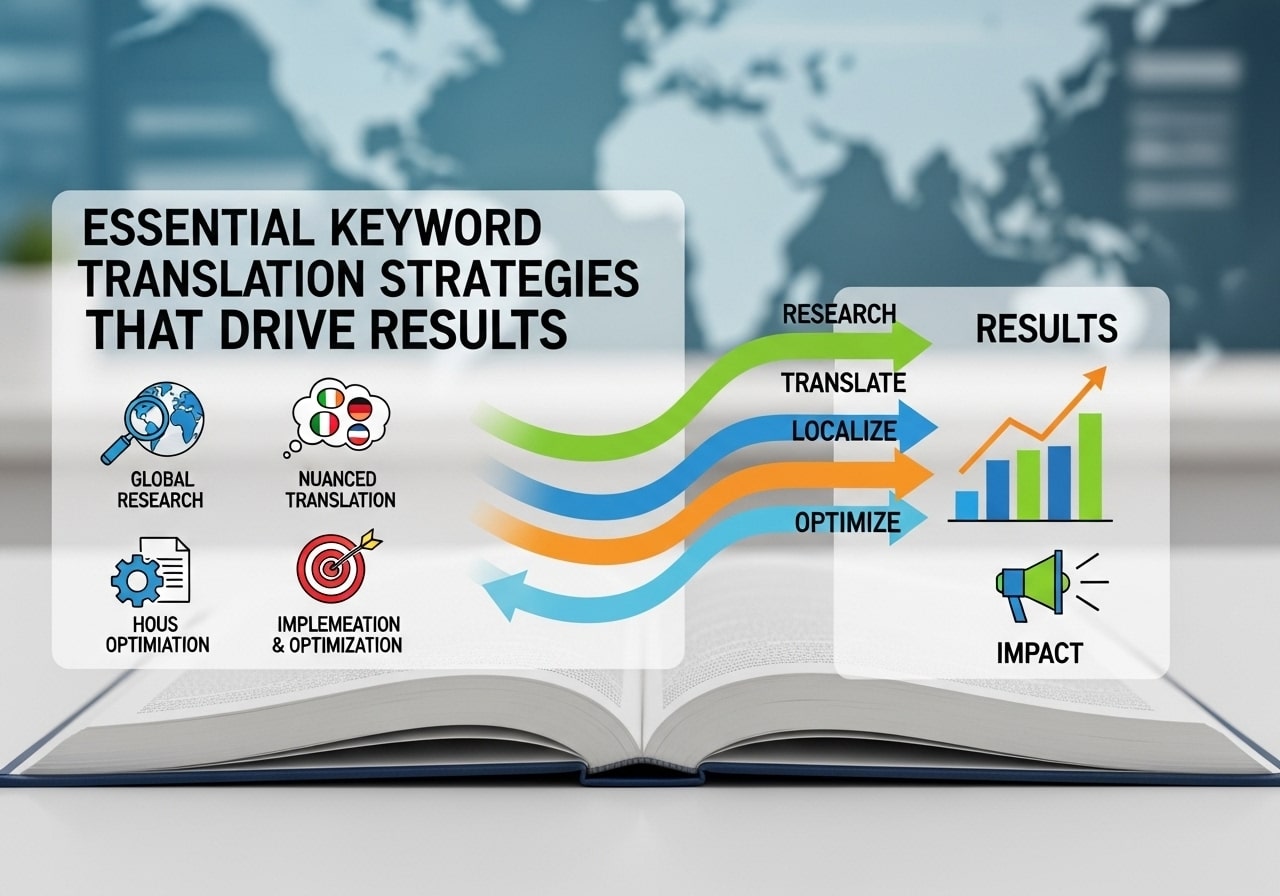
Direct Translation vs. Localized Keyword Research Approaches
When tackling global keywords translating, you’ll face a critical decision: should you directly translate your existing keywords or dive deep into localized research? Direct translation seems like the obvious choice – simply convert “running shoes” to “zapatos para correr” in Spanish. But this approach often misses the mark entirely.
Direct translation creates a literal word-for-word conversion without considering how people actually search in different markets. Your perfectly translated keywords might sound robotic or unnatural to native speakers. Bilingual keywords require a more nuanced approach that goes beyond basic translation.
Localized keyword research takes a completely different route. Instead of translating existing terms, you research how your target audience naturally searches in their language. This means discovering that Spanish speakers might actually search for “tenis para correr” instead of the literal translation. The difference can make or break your international SEO efforts.
| Approach | Benefits | Drawbacks |
|---|---|---|
| Direct Translation | Quick, cost-effective, maintains brand consistency | May miss cultural nuances, lower conversion rates |
| Localized Research | Higher relevance, better user engagement, authentic language use | Time-intensive, requires local expertise |
Leverage Native Speaker Insights for Authentic Keyword Selection
Native speakers hold the key to unlocking authentic keywords translation that actually resonates with your target market. They understand the subtle differences between formal and colloquial language, regional variations, and cultural context that automated tools simply cannot grasp.
Working with native speakers reveals search patterns that surprise even experienced marketers. A keywords translation company might discover that certain technical terms have completely different meanings across regions, or that slang dominates professional searches in specific industries.
Consider these native speaker advantages:
- Regional dialect recognition: Understanding whether “elevator” or “lift” performs better in different English-speaking markets
- Cultural sensitivity: Avoiding terms that might be offensive or inappropriate in certain cultures
- Seasonal language shifts: Recognizing how search terms change during holidays or cultural events
- Industry jargon mastery: Knowing which technical terms resonate with professionals vs. general consumers
Keywords translation agency professionals often emphasize the importance of native speaker validation before launching any international campaign. This human touch can prevent costly mistakes and ensure your content speaks naturally to local audiences.
Identify High-Converting Regional Search Terms
Regional search terms often differ dramatically from what you’d expect based on your home market research. Translating keywords requires deep understanding of local search behaviors, which can vary significantly even within the same language.
Start by analyzing competitor research in your target regions. Look at what terms are driving traffic to similar businesses and how local companies position themselves. This reveals valuable insights about regional preferences that direct translation would never uncover.
Regional search term identification involves several key strategies:
- Local competitor analysis: Study successful regional players to understand their keyword strategies
- Cultural event integration: Identify location-specific events, holidays, or trends that influence search behavior
- Geographic modifiers: Understand how people include location terms in their searches
- Local business listings: Analyze how similar services are described in local directories
High-converting regional terms often include location-specific modifiers, local slang, or references to regional landmarks. A keyword translation factory approach misses these nuances because it focuses on scaling translation rather than understanding local markets.
Balance Search Volume with Cultural Relevance
The biggest challenge in international keyword strategy lies in balancing search volume metrics with cultural authenticity. High-volume translation keywords might seem attractive, but they often lack the cultural resonance needed for meaningful conversions.
Search volume data from tools like Google Keyword Planner provides valuable insights, but it doesn’t tell the whole story. A term might show impressive search numbers while carrying negative cultural connotations or sounding unnatural to native speakers.
Smart keywords localization involves weighing multiple factors:
High Priority Considerations:
- Cultural appropriateness and sensitivity
- Natural language flow and readability
- Local competition levels
- Intent alignment with business goals
Secondary Considerations:
- Raw search volume numbers
- Cost-per-click in paid advertising
- Seasonal fluctuation patterns
- Long-tail keyword opportunities
The sweet spot exists where decent search volume meets authentic cultural expression. Sometimes this means choosing a lower-volume term that sounds natural over a high-volume phrase that feels forced or awkward.
International translating success depends on finding keywords that people actually use in real conversations, not just terms that perform well in keyword tools. This balance requires ongoing testing, native speaker feedback, and willingness to adjust strategies based on performance data rather than just search metrics.
Proven Tools and Techniques for Accurate Keyword Translation

Professional Translation Software for SEO Success
Modern keyword translation requires sophisticated tools that go beyond basic dictionary translations. Professional translation software designed for SEO professionals offers context-aware translations that maintain search intent while adapting to local language patterns. These platforms integrate with major search engines to verify keyword volumes and competition levels across different markets.
Leading solutions like Sistrix, SEMrush International, and Ahrefs Global provide built-in translation features that understand regional search behaviors. The keyword translation factory approach relies on these tools to process large volumes of terms efficiently while maintaining accuracy. Professional translating keywords through specialized software reduces human error and speeds up campaign deployment.
Advanced platforms offer features like automatic locale detection, search volume forecasting for translated terms, and competitive analysis across international markets. They also provide suggestions for culturally appropriate alternatives when direct translations don’t capture local search patterns effectively.
Cross-Reference Multiple Keyword Research Platforms
Relying on a single platform for keywords translation creates blind spots that can derail international campaigns. Smart marketers cross-reference data from multiple sources to build comprehensive keyword lists that reflect real user behavior across different regions.
Start with Google Keyword Planner’s international settings, then validate findings through platforms like Ubersuggest, KWFinder, and Answer The Public. Each tool captures different aspects of search behavior – some excel at long-tail variations while others provide better insights into voice search patterns and local slang.
Bilingual keywords often have different performance metrics across platforms. A term might show high volume on one tool but reveal intense competition on another. Cross-referencing helps identify the sweet spots where search volume meets achievable rankings.
Create a comparison matrix that tracks:
- Search volumes across platforms
- Competition levels and difficulty scores
- Related terms and variations
- Seasonal trends and patterns
- Local search modifiers and geo-specific terms
Validate Translations Through Local Market Testing
Even the best translation keywords need real-world validation before launching full campaigns. Local market testing reveals cultural nuances and search habits that automated tools might miss. This process involves working with native speakers who understand both the language and the search landscape.
Deploy small-scale PPC campaigns using translated keywords to gather actual performance data. Monitor click-through rates, conversion rates, and user behavior to identify which translations resonate with local audiences. Low engagement often signals that translations, while technically correct, don’t match how people actually search.
Partner with local keywords translation agency professionals or freelancers who can provide insights into regional preferences and colloquialisms. They often catch translation errors that could make campaigns ineffective or even offensive to local audiences.
A/B testing different keyword variations helps optimize for local preferences. Test formal versus informal language, technical terms versus common expressions, and abbreviated versus full spellings. Document successful patterns to apply across similar markets and product categories.
Choosing the Right International Translation Services

Evaluate Translation Service Expertise in Digital Marketing
When selecting an international translating company, their digital marketing knowledge makes all the difference. A keywords translation company should understand how search engines work across different markets, not just convert words from one language to another.
Look for agencies that grasp the nuances of global keywords translating – they need to know that direct translation often fails in SEO contexts. The best providers combine linguistic expertise with deep understanding of search behavior patterns in target markets.
Ask potential partners about their experience with bilingual keywords optimization and how they handle keyword density requirements across languages. A quality keywords translation agency will explain their process for maintaining search intent while adapting content for local audiences.
Ensure Quality Control Standards for SEO Content
Quality control goes beyond basic grammar checks when dealing with keywords localization. Professional translation services implement multi-stage review processes specifically designed for SEO content.
The review process should include:
- Native speaker validation of translating keywords
- SEO specialist review for search optimization
- Cultural appropriateness assessment
- Technical accuracy verification
Top-tier agencies use specialized quality metrics for translation keywords that measure both linguistic accuracy and SEO performance potential. They track how translated content performs in search results and adjust their processes accordingly.
Compare Pricing Models for Long-Term Partnership Success
Keywords translation pricing varies significantly based on service complexity and market expertise. Understanding different pricing structures helps you make informed decisions for sustainable partnerships.
| Pricing Model | Best For | Considerations |
|---|---|---|
| Per Word | Simple content translation | May not account for SEO complexity |
| Per Project | Comprehensive campaigns | Better for keyword translation factory approach |
| Retainer | Ongoing partnerships | Ensures consistent quality and availability |
| Performance-Based | Results-driven campaigns | Aligns agency success with your outcomes |
Avoid agencies that offer unusually low rates for keywords translation services – quality SEO translation requires specialized expertise that commands fair compensation.
Verify Cultural and Technical Knowledge of Target Markets
The best international translating bureau combines cultural insight with technical SEO knowledge. They understand that c global keyword strategies must account for local search habits, cultural preferences, and regional variations in language use.
Verify their knowledge by asking specific questions about your target markets:
- How do search behaviors differ in your target regions?
- What cultural factors influence keyword selection?
- How do they handle regional dialects and colloquialisms?
- What technical SEO considerations apply to specific countries?
A qualified agency will demonstrate familiarity with local search engines beyond Google, such as Baidu for China or Yandex for Russia. They should also understand technical requirements like character encoding, right-to-left text formatting, and mobile optimization preferences in different markets.
Implementing Your Global Keyword Strategy Effectively

Create Market-Specific Content Calendars
Building effective content calendars for different markets requires understanding local search behaviors and seasonal patterns. Each region has unique cultural events, holidays, and business cycles that influence when people search for specific terms. Your global keywords translating strategy needs to account for these regional differences.
Start by researching local holidays, shopping seasons, and cultural celebrations in each target market. For example, while Black Friday dominates US searches in November, other countries have different peak shopping periods. Chinese consumers focus heavily on Singles’ Day, while European markets might prioritize local sales events.
Map your bilingual keywords to these regional calendars. A keywords translation agency working with fashion brands might discover that “summer fashion” peaks in December for Southern Hemisphere markets while Northern Hemisphere audiences search for winter clothing during the same period.
Consider time zones when scheduling content publication. International translating efforts become more effective when content goes live during peak local engagement hours. Create separate publishing schedules for each market rather than using a one-size-fits-all approach.
Document local competitor activities and industry events. Your content calendar should align with when your target audience is most actively searching for solutions you provide.
Monitor and Adjust Keywords Based on Performance Data
Regular performance monitoring transforms good keyword translation into exceptional results. Set up tracking systems that measure both technical metrics and business outcomes across all markets.
Track organic traffic growth, conversion rates, and engagement metrics for each translated keyword set. Use tools that can segment data by geographic region and language to identify which translating keywords drive the most valuable traffic.
Pay attention to search query reports in Google Search Console for each market. These reports reveal how people actually search for your products or services, often showing variations from your initial keywords translation assumptions. Local slang, alternative spellings, and cultural references frequently appear in real user queries.
Create monthly review cycles where you analyze performance data and user behavior patterns. Look for keywords that show declining performance or emerging search terms gaining popularity. Your international translating company approach should evolve based on these insights.
Set up alerts for sudden traffic drops or spikes in specific regions. These changes often signal algorithm updates, competitive actions, or shifting market conditions that require immediate attention.
Compare performance across similar markets to identify successful patterns you can replicate. A keyword strategy working well in one Spanish-speaking market might adapt successfully to other Spanish-speaking regions with minor adjustments.
Scale Your Multilingual SEO Across Multiple Regions
Scaling requires building systems and processes that maintain quality while increasing volume. Start with proven markets before expanding to new regions. Your keywords localization approach needs standardized procedures that ensure consistency across all markets.
Develop template-based workflows for new market entry. Create checklists covering keyword research, competitive analysis, content creation, and technical implementation. This systematic approach prevents overlooking critical steps when launching in new countries.
Build relationships with local keywords translation company partners in each target region. Native speakers provide insights that automated tools miss, especially for culturally sensitive topics or highly regulated industries.
Global Keywords Translating Strategies for Multilingual SEO Success:
Invest in technology platforms that support multiple languages and regions from a single dashboard. Content management systems, analytics tools, and SEO platforms should handle international character sets, right-to-left languages, and region-specific requirements without requiring separate installations.
Create cross-regional learning systems where successful strategies from one market inform approaches in similar markets. Document what works and what doesn’t, building an institutional knowledge base that improves over time.
Train your team on cultural sensitivity and local market nuances. Global keywords translating success depends on people who understand both the technical aspects of SEO and the cultural contexts where these keywords will be used.
Establish clear governance structures for managing multilingual content. Define approval processes, quality standards, and escalation procedures that work across time zones and cultural differences.

Breaking into global markets starts with speaking your audience’s language—literally. Bilingual keyword research opens doors to millions of potential customers who search in their native tongue, while smart translation strategies help you capture search traffic you never knew existed. The right tools and professional translation services make the difference between generic translations and culturally relevant keywords that actually convert.
Your global keyword strategy is only as strong as its execution. Start small with one target market, test your translated keywords thoroughly, and scale up based on real performance data. Remember that successful international SEO isn’t just about translating words—it’s about understanding how different cultures search for and discover products online. Take that first step today by identifying your most promising international market and begin researching how your target audience actually searches in their language.
FAQs
What is global keywords translating and why is it important for international business?
Global keywords translating involves adapting your keywords for different languages and cultures to connect with international audiences effectively. It’s essential for reaching potential customers searching in their native languages, which can significantly improve engagement and conversion rates across borders.
How does keyword translation differ from a simple word-for-word translation?
Keyword translation goes beyond literal conversion by considering how people search in different languages. It involves localizing keywords to ensure they resonate culturally and contextually with the target audience, which direct translations may miss.
What are the benefits of mastering bilingual keywords for SEO?
Mastering bilingual keywords can unlock new revenue streams, enhance organic traffic significantly (often by 40-60% in the first year), and help brands connect with diverse consumer segments that search in various languages.
Why are cultural nuances important in keyword translation?
Cultural nuances can affect the effectiveness of keywords in different regions. A keyword that works in one culture might be offensive or ineffective in another. Understanding these nuances prevents costly missteps and enhances brand reputation.
What tools are recommended for effective keyword translation?
Tools like Sistrix, SEMrush International, and Ahrefs Global are designed for SEO professionals and provide features such as context-aware translations and search volume verification across different markets.
How can I validate translated keywords before launching international campaigns?
To validate translated keywords, conduct local market testing through small-scale PPC campaigns, monitor performance metrics like click-through and conversion rates, and utilize native speakers for insights into regional preferences and tendencies.
What should I look for when choosing an international translation service?
Look for a translation service that specializes in digital marketing, understands the nuances of search behavior in your target markets, and has a robust quality control process that includes SEO specialists and native speaker validation.
How important is it to analyze local competitors when translating keywords?
Analyzing local competitors is crucial as it offers insights into successful keyword strategies, regional preferences, and search behaviors that can guide your keyword translation efforts more effectively than direct translations alone.
What factors should be balanced when selecting keywords for international markets?
When selecting keywords, consider both search volume and cultural relevance. High search volume is attractive, but keywords should also resonate culturally and be naturally integrated into the language to ensure meaningful conversions.
How can I effectively scale my multilingual SEO efforts?
To scale multilingual SEO, establish standardized processes for keyword research, competitor analysis, and content creation. Implement technology platforms that manage multiple languages efficiently, and build local partnerships to ensure culturally sensitive translations. “`