
Local business owners know that timing can make or break a marketing campaign. The right seasonal marketing ideas can transform slow months into profitable periods and amplify busy seasons into record-breaking revenue.
This guide is designed for small business owners, restaurant managers, retail shop operators, and service providers who want practical seasonal marketing strategies that work in their communities right now.
We’ll walk through proven seasonal marketing campaigns for each season, from spring foot traffic boosters to winter sales strategies that combat cold-weather slumps. You’ll also discover year-round implementation tips that help you plan ahead and maximize every seasonal opportunity without scrambling at the last minute.
Ready to turn your calendar into your most powerful marketing tool?
Spring Marketing Strategies That Drive Foot Traffic

Launch Fresh Product Lines to Match Renewal Themes
Spring represents rebirth and new beginnings, making it the perfect time to introduce seasonal products that align with renewal themes. Your seasonal marketing strategy should capitalize on this natural desire for fresh starts by launching limited-edition items, spring collections, or updated versions of existing products.
Consider introducing lighter colors, fresh scents, or eco-friendly packaging that reflects the season’s energy. Restaurants can debut spring menus featuring seasonal ingredients, while retail stores might showcase lighter fabrics, gardening supplies, or home refresh items. Beauty brands often succeed with spring skincare routines or vibrant makeup collections.
Time your product launches with major spring moments – Easter, Mother’s Day, or Earth Day – to maximize impact. Create seasonal promotion ideas around “spring cleaning” for home goods stores, “spring renewal” for wellness businesses, or “fresh start” campaigns for fitness centers. Document customer testimonials and before-and-after transformations to build social proof around your new offerings.
Create Garden and Outdoor Activity Promotions
As temperatures warm up, people naturally gravitate toward outdoor activities and gardening projects. Smart seasonal business marketing campaigns tap into this enthusiasm by creating promotions that encourage outdoor engagement while driving foot traffic to your location.
Hardware stores can host weekend gardening workshops, while restaurants might offer patio dining specials or outdoor seating incentives. Sports retailers can promote hiking gear, cycling equipment, or outdoor fitness classes. Even service-based businesses can get creative – photography studios might offer outdoor portrait sessions, while fitness trainers can advertise park workout programs.
Partner with complementary businesses to create comprehensive outdoor experience packages. A garden center might team up with a local café to offer “garden and lunch” deals, or a sporting goods store could collaborate with hiking groups for guided trail experiences. These seasonal marketing campaigns create value beyond individual purchases and establish your business as a community activity hub.
Partner with Local Schools for Spring Break Campaigns
Spring break presents unique seasonal campaign ideas that bridge the gap between education and entertainment. Schools often seek community partnerships for fundraising events, field trips, or educational programs, creating win-win opportunities for local businesses.
Offer special discounts for teachers and school staff during spring break weeks when they might have more free time for personal shopping or dining. Create educational workshops or tours that schools can incorporate into their spring curriculum – bakeries might teach bread-making classes, while tech stores could offer coding workshops for students.
Consider sponsoring school events like science fairs, art shows, or spring concerts in exchange for brand visibility and community goodwill. These partnerships often extend beyond single transactions, building long-term relationships with families in your area. Marketing seasonal campaigns that support education demonstrate corporate responsibility while expanding your customer base through word-of-mouth recommendations from satisfied parents and teachers.
Host Community Clean-Up Events with Brand Visibility
Earth Day and general spring renewal energy make community clean-up events powerful seasonal marketing examples that combine social responsibility with brand building. Organize or sponsor neighborhood beautification projects, park cleanups, or recycling drives that position your business as a community leader.
Provide branded supplies like reusable water bottles, t-shirts, or cleanup tools that participants can take home, extending your marketing reach beyond the event day. Set up information booths where volunteers can learn about your products or services while taking breaks from their community service.
Document the event through photos and videos for social media content, showcasing your team’s involvement and the positive impact achieved. Partner with local environmental groups, city councils, or other businesses to amplify the event’s reach and share costs. These seasonal marketing trends create authentic connections with potential customers while generating positive publicity that traditional advertising can’t match.
Create post-event follow-up campaigns by sharing impact statistics, thanking participants, and announcing future community involvement plans. This ongoing engagement keeps your brand top-of-mind long after the cleanup event ends.
Summer Campaigns That Maximize Peak Season Revenue

Design Cooling Solutions and Refreshment Promotions
Beat-the-heat campaigns work like magic during scorching summer months. Smart businesses create cooling-themed seasonal marketing campaigns that directly address customer discomfort while driving sales. Ice cream shops offer “temperature discounts” – the hotter it gets, the bigger the savings. Auto shops promote air conditioning tune-ups with catchy slogans like “Don’t Sweat Your Commute.”
Restaurants excel at refreshment-focused seasonal promotion ideas by featuring frozen cocktails, ice-cold smoothies, and chilled soups on prominent outdoor signage. Coffee shops pivot their seasonal marketing strategy to highlight iced beverages, cold brew specials, and frozen treats. Pool supply stores capitalize on seasonal marketing trends by bundling cooling products with installation services.
Create urgency with heat wave flash sales that activate when temperatures spike above certain thresholds. Hardware stores push fans, cooling towels, and portable air conditioners during peak heat advisories. These seasonal advertising examples show how weather-reactive promotions generate immediate foot traffic.
Capitalize on Vacation and Travel Spending Patterns
Summer vacation spending creates massive opportunities for seasonal business marketing success. Travel-related purchases peak between June and August, making this prime time for luggage stores, outdoor gear retailers, and automotive service centers. Gas stations partner with convenience stores to offer road trip bundles featuring snacks, drinks, and car care essentials.
Local hotels and restaurants benefit from staycation trends by promoting “vacation at home” packages. Spas offer summer wellness retreats, while entertainment venues create vacation-themed experiences that keep locals spending instead of traveling elsewhere.
Retail stores stock seasonal products marketing essentials like swimwear, sunscreen, and beach accessories well before peak demand hits. Smart retailers track seasonal marketing statistics to predict when families start shopping for summer camps, beach vacations, and outdoor adventures.
Organize Outdoor Events and Festival Sponsorships
Summer’s extended daylight and pleasant weather create perfect conditions for outdoor seasonal marketing campaign ideas. Farmers markets, street festivals, and outdoor concerts draw massive crowds seeking seasonal moments and community connections. Local businesses sponsor these events to gain visibility while supporting community engagement.
Food trucks dominate summer festival circuits, while retail pop-ups at outdoor venues showcase seasonal brands examples in action. Sporting goods stores sponsor youth leagues and summer camps, creating brand loyalty that lasts beyond the season.
Concert venue partnerships let businesses reach targeted demographics through strategic seasonal branding opportunities. Beer gardens and outdoor dining spaces transform ordinary restaurants into summer destinations. These four seasons marketing campaign strategies show how physical presence at outdoor events generates leads and builds community relationships that translate into year-round customer loyalty.
Fall Marketing Tactics for Back-to-School and Harvest Success
Target Students and Parents with Educational Discounts
Back-to-school season creates massive opportunities for businesses to connect with families preparing for the new academic year. Smart retailers roll out seasonal marketing campaigns specifically designed around educational needs and budget-conscious parents. Consider offering student discounts that require a valid student ID or enrollment verification. This approach works especially well for bookstores, clothing retailers, electronics shops, and restaurants near schools.
Parent-focused promotions can include “Buy 2, Get 1 Free” deals on school supplies, lunch specials for stressed-out parents juggling school schedules, or family packages that bundle commonly needed items. Local businesses often see significant revenue boosts by creating seasonal marketing strategy bundles like “Everything You Need for Grade 3” or “College Dorm Essentials.
Don’t forget about teachers – they’re spending their own money on classroom supplies. Teacher appreciation discounts throughout August and September can generate loyal customers who return year-round. Many successful seasonal marketing examples show businesses offering 15-20% teacher discounts with proper identification.
Embrace Autumn Themes in Product Displays and Promotions
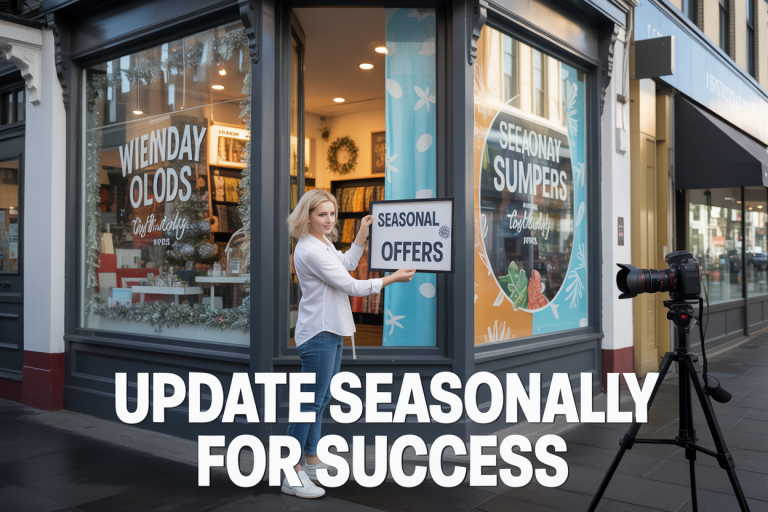
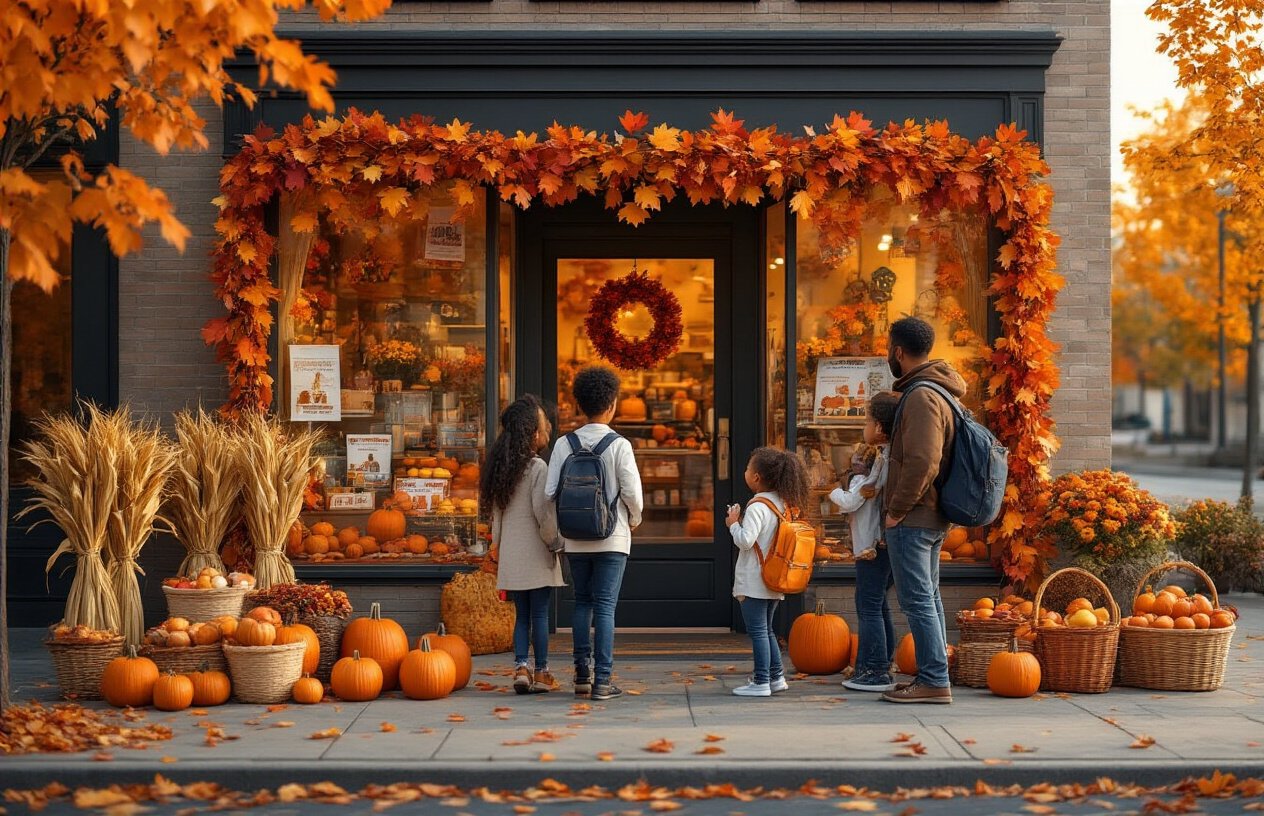
Fall theming transforms ordinary storefronts into seasonal destinations that draw customers inside. Your seasonal branding should capture the warmth and comfort associated with autumn colors, textures, and imagery. Replace summer displays with rich oranges, deep reds, and golden yellows. Add natural elements like pumpkins, fallen leaves, and rustic wood accents to create an inviting atmosphere.
Seasonal marketing campaigns work best when they feel authentic to your brand while embracing the season. Coffee shops can promote pumpkin spice everything, while clothing stores showcase cozy sweaters and boots. Even service-based businesses can incorporate autumn themes – accounting firms might use “Fall Into Savings” taglines for their seasonal promotion ideas.
Window displays become powerful marketing tools during fall. Create scenes that tell stories about comfort, preparation, and togetherness. Local businesses that invest in creative seasonal graphics and displays often see foot traffic increase by 25-30% compared to non-themed periods.
Launch Comfort Food and Cozy Experience Campaigns
As temperatures drop, customers crave warmth and comfort. Restaurants can capitalize on this with seasonal marketing campaign ideas focused on hearty soups, warm beverages, and comfort classics. Promote “Soup Sunday” specials or “Warm-Up Wednesdays” with discounted hot drinks.
Retail businesses can create cozy shopping experiences with warm lighting, soft music, and samples of seasonal treats. Bookstores might host “Cozy Reading Nights” with hot chocolate and book discussions. Spas and salons can promote “Fall Relaxation Packages” that help customers prepare for the stressful holiday season ahead.
The key to successful seasonal business marketing in fall is making customers feel cared for and comfortable. Small touches like offering complimentary hot cider samples or providing warm blankets in outdoor seating areas create memorable experiences that encourage repeat visits and positive word-of-mouth marketing.
Prepare Early Holiday Shopping Incentives
October and November represent the perfect time to introduce early holiday shopping incentives without overwhelming customers with full Christmas promotions. Create “Holiday Prep” campaigns that reward customers for shopping ahead. Early bird specials, layaway programs, and “Shop Now, Pick Up Later” options appeal to organized planners.
Consider launching seasonal marketing trends like “12 Days of Deals” starting in mid-November, or “Black Friday Preview” sales that give loyal customers first access to holiday discounts. Gift card promotions work exceptionally well during this period – offer bonus cards for purchases above certain thresholds.
Local businesses can differentiate themselves from big box stores by offering personalized holiday shopping services. Personal shopping appointments, gift wrapping services, or curated gift collections show customers you understand their needs and time constraints.
Connect with Local Farmers Markets and Harvest Festivals
Fall presents unique opportunities to connect with community celebrations and local agricultural traditions. Partner with nearby farms for cross-promotional opportunities – restaurants can source seasonal ingredients directly from local growers and promote these partnerships to customers who value fresh, local food.
Participate in harvest festivals, apple picking events, and community fall celebrations. Set up booths at farmers markets or sponsor local events to increase brand visibility. Many successful seasonal marketing statistics show that businesses participating in community events see increased local recognition and customer loyalty.
Create collaborative seasonal promotion ideas with other local businesses. Group promotions like “Fall Fun Passes” that offer discounts at multiple participating businesses encourage customers to explore the entire local business community. This approach builds stronger community connections while expanding your customer base through shared marketing efforts.
Local partnerships during harvest season often generate year-round relationships. Customers appreciate businesses that support their community, and these connections frequently result in increased referrals and repeat business throughout all seasons.
Winter Strategies That Turn Cold Weather into Hot Sales
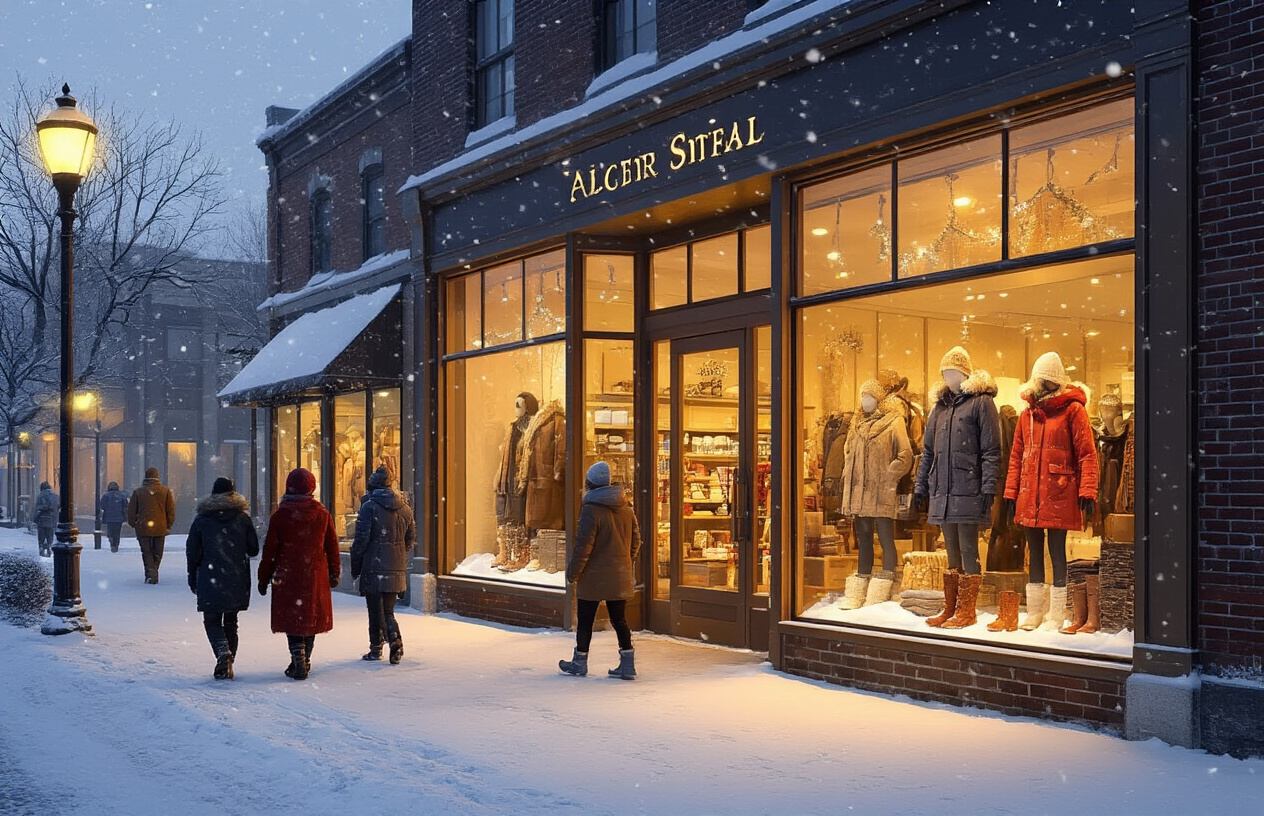
Create Holiday Gift Bundles and Loyalty Programs
Winter marketing ideas shine brightest when you tap into the gift-giving spirit. Smart local businesses package their most popular items into themed gift bundles that solve shopping problems for customers. A coffee shop might combine premium beans, branded mugs, and gift cards into a “Coffee Lover’s Dream” package, while a boutique creates “Date Night” bundles with accessories, candles, and small treats.
Your loyalty programs need a seasonal twist to drive repeat business during the cold months. Launch a “12 Days of Deals” campaign where customers earn special rewards for consecutive visits, or create punch cards specifically for winter services. Restaurants excel with “Comfort Food Challenges” where diners earn rewards for trying seasonal menu items. Retail stores can offer double points on gift purchases, encouraging customers to shop local for their entire holiday list.
The magic happens when you combine both strategies. Loyal customers get early access to limited-edition bundles, creating exclusivity that drives word-of-mouth marketing. Track which combinations perform best and adjust your seasonal marketing campaigns accordingly.
Offer Indoor Entertainment and Comfort Services
Cold weather drives people indoors, creating opportunities for businesses to become community gathering spots. Bookstores add reading nooks with warm beverages, while gyms promote “Beat the Winter Blues” fitness challenges. Hair salons extend their services with warming treatments and longer appointment slots that let customers escape the cold.
Your seasonal marketing strategy should highlight the comfort factor. Coffee shops advertise their coziest corners, complete with charging stations and free WiFi for remote workers seeking refuge from home office isolation. Retail stores create “browsing-friendly” environments with comfortable seating areas where customers can take their time making decisions.
Service-based businesses adapt their offerings for winter needs. Dog groomers promote indoor play sessions, while car washes emphasize heated waiting areas and interior cleaning services. The key lies in marketing these comfort elements as primary benefits, not just nice-to-have features.
Develop New Year Resolution-Based Marketing
January brings a surge of resolution-minded customers, and savvy businesses position themselves as solution providers. Gyms obviously benefit, but creative seasonal marketing examples extend far beyond fitness. Bookstores promote “Read More” challenges, craft stores launch “Learn Something New” workshops, and financial planners offer “Get Your Money Right” seminars.
Your seasonal advertising examples should speak directly to common resolutions. Organize your marketing around themes like health, learning, organization, and relationships. A local bakery might launch a “Healthy Treats” line, while a home goods store promotes organizational solutions with before-and-after showcases.
Don’t wait until January 1st to start this campaign. December marketing should tease upcoming resolution-supporting services, creating anticipation and early sign-ups. Track which resolution categories resonate most with your customer base for future seasonal marketing strategies.
Build Community Through Warm Gathering Spaces
Winter naturally draws people together, and smart businesses become the places where community connections flourish. Transform your space into a welcoming environment that encourages customers to linger and return. Bookstores host author readings with hot cider, while cafes organize board game nights that pack their quieter evening hours.
Your seasonal branding should emphasize warmth, both literally and figuratively. Use lighting, scents, and textures that create comfort. Many successful businesses add seasonal decorations that customers actually want to photograph and share, turning your space into social media content that markets itself.
The community aspect extends beyond your physical space. Create Facebook groups for customers to share winter activities, organize group outings to local events, or start clubs around shared interests. A sporting goods store might organize winter hiking groups, while a craft store creates “Winter Project” support groups where customers share progress and tips.
These gathering spaces become particularly valuable during post-holiday lulls when people crave social connection after family-intensive celebrations. Position your business as the antidote to winter isolation, and customers will choose you over competitors who simply offer products or services without the community element.
Year-Round Implementation Tips for Maximum Local Impact

Track Seasonal Customer Behavior Patterns
Understanding your customers’ buying habits throughout the year becomes your secret weapon for crafting effective seasonal marketing campaigns. Start by analyzing your sales data from the past two years to spot clear trends. Look for peak shopping periods, slow seasons, and unexpected spikes in demand.
Set up tracking systems that capture more than just purchase dates. Monitor which products sell best during specific months, what time of day customers shop seasonally, and which demographics respond most to your seasonal promotion ideas. Google Analytics and your POS system can reveal surprising patterns about customer behavior during different seasonal moments.
Create a simple spreadsheet to track monthly revenue, top-selling items, and customer acquisition sources. Notice how weather affects your business – rainy days might boost indoor activity for cafes, while sunny weekends could drive garden center sales. This seasonal analysis marketing approach helps you predict future trends and allocate your marketing budget more effectively.
Pay attention to local events and holidays that impact your community. School schedules, local festivals, and regional traditions all influence when people shop and what they buy. This data becomes the foundation for your seasonal marketing strategy.
Build Partnerships with Complementary Local Businesses
Smart partnerships multiply your seasonal marketing reach without breaking your budget. Partner with businesses that serve your same customers but offer different products or services. A fitness studio could team up with a healthy meal prep service for New Year campaigns, or a bookstore might collaborate with a coffee shop for cozy winter promotions.
Create cross-promotional seasonal campaigns that benefit both businesses. Share costs for advertising, combine email lists (with permission), and offer joint packages that give customers more value. These partnerships work especially well for seasonal marketing examples like back-to-school promotions or holiday shopping events.
Look for businesses in your area with similar values but different specialties. A flower shop might partner with a wedding planner, event venue, and caterer to create comprehensive seasonal wedding packages. This type of collaboration strengthens your seasonal branding while expanding your customer base.
Organize seasonal events together that neither business could handle alone. Host spring markets, summer outdoor concerts, fall harvest festivals, or winter holiday bazaars. These shared experiences create memorable seasonal moments for your community while splitting the organizational workload and costs.
leverage Social Media for Seasonal Storytelling
Social media transforms your seasonal marketing campaigns into engaging stories that customers want to follow and share. Create content calendars that align with your marketing seasonal calendar, planning posts that build excitement before each season arrives.
Share behind-the-scenes content showing how your business prepares for each season. Document your team decorating for holidays, preparing seasonal products, or adjusting services for weather changes. This authentic content performs better than polished advertisements and helps customers feel connected to your brand’s seasonal journey.
Use seasonal graphics that reflect your local area’s unique character. Showcase local landmarks during different seasons, feature customers enjoying seasonal products, and highlight how your business fits into the community’s seasonal rhythms. These visual stories strengthen your seasonal branding and create shareable content.
Engage with seasonal trends and hashtags, but make them relevant to your local market. A restaurant might share #FallFlavors featuring locally-sourced ingredients, while a retail store could use #WinterWardrobe showcasing styles perfect for your regional climate. Create seasonal content series that customers anticipate – like weekly fall recipe features or daily winter styling tips.
Monitor which seasonal marketing:
Monitor which seasonal marketing trends resonate with your audience through comments, shares, and engagement rates. Adjust your content strategy based on what generates the most interaction and drives actual foot traffic or sales.

The seasons offer endless opportunities to connect with your local customers in fresh, exciting ways. From spring’s renewal energy to winter’s cozy indoor shopping vibes, each time of year brings unique chances to boost your sales through targeted marketing. The key is matching your campaigns to what people are naturally thinking about and doing during each season – whether that’s spring cleaning, summer adventures, back-to-school prep, or holiday celebrations.
Start implementing these seasonal strategies today, even if you’re jumping in mid-season. Pick one or two ideas that feel right for your business and test them out. Your local customers are already in seasonal mindsets, so meeting them where they are with relevant offers and messaging can make a real difference in your sales. Remember, the best seasonal marketing feels natural and helpful rather than pushy – focus on solving problems your customers face during each time of year, and the sales will follow.
FAQs
What makes seasonal marketing different from regular marketing campaigns?
Seasonal marketing ties your promotions to specific times of year, holidays, or local events. Instead of running the same ads all year, you create campaigns that match what people are thinking about right now – like back-to-school shopping in August or holiday gifts in December. This approach feels more timely and relevant to your customers.
How far ahead should I plan my seasonal marketing campaigns?
Start planning at least 6-8 weeks before the season or event you want to target. This gives you enough time to create your content, set up promotions, and get everything ready. For big seasons like Christmas or summer, many businesses start planning 3-4 months ahead.
What are some quick seasonal ideas I can start using this week?
Look at what’s happening in the next 30 days – upcoming holidays, local events, weather changes, or school schedules. You can create social media posts about these topics, offer related products or services, or run simple promotions that tie into what people are already thinking about.
How do I know which seasonal trends will work for my local business?
Pay attention to your local community calendar, weather patterns, and what your customers are talking about on social media. Ask your regular customers what events or seasons matter most to them. Also, look at what worked for you in previous years and build on those successes.
Should I focus on national holidays or local events for better results?
Both can work well, but local events often give you less competition and stronger community connections. Try mixing national holidays that everyone celebrates with local festivals, school events, or community traditions that are special to your area.
What’s the best way to promote seasonal offers without sounding pushy?
Focus on being helpful rather than just selling. Share tips, ideas, or solutions that relate to the season, then naturally mention how your business can help. For example, instead of just advertising winter coats, share tips for staying warm and then mention your coat selection.
How can small businesses compete with big retailers during major shopping seasons?
Emphasize what makes you special – personal service, local knowledge, unique products, or faster delivery within your area. Big retailers can’t match your personal touch or community connections. Also, consider targeting the periods just before or after when big retailers are most active.
What seasonal content should I share on social media?
Share behind-the-scenes content showing how you prepare for different seasons, customer photos using your products seasonally, local event coverage, seasonal tips related to your business, and user-generated content from customers enjoying seasonal activities.
How do I measure if my seasonal marketing is actually working?
Track your sales during seasonal campaigns compared to regular periods, monitor social media engagement on seasonal posts, count how many people mention seeing your seasonal ads, and ask new customers how they heard about you during busy seasons.
What’s the biggest mistake businesses make with seasonal marketing?
Starting too late or being too generic. Many businesses wait until everyone else is already promoting the same thing, which makes it harder to stand out. The other big mistake is using the exact same approach as every other business instead of finding a unique angle that fits your brand and community.