
Your online customers make buying decisions within seconds of seeing your products, and high quality product images are often the deciding factor between a sale and an abandoned cart. This guide is designed for e-commerce business owners, online retailers, and marketing professionals who want to transform their product photography into a powerful sales tool.
Poor product images cost you money every day. Blurry photos, inconsistent lighting, and amateur angles send potential customers straight to your competitors. Meanwhile, professional-quality visuals build trust, showcase your products’ true value, and can increase conversion rates by up to 40%.
We’ll walk you through the visual psychology that drives online shopping decisions and reveal why certain images make customers click “buy now” while others scroll past. You’ll discover the essential technical standards that separate amateur photos from professional e-commerce imagery, including resolution requirements, lighting techniques, and composition rules that work across all product categories. Finally, we’ll cover platform-specific optimization strategies to ensure your images perform perfectly on Amazon, your own website, social media, and mobile devices.
Why Visual Appeal Drives Online Shopping Decisions

First impressions form within seconds of viewing
When shoppers land on your product page, they make split-second judgments that can make or break a sale. Research shows that people form lasting opinions about products within the first 50 milliseconds of viewing. That’s faster than a blink of an eye. During this crucial moment, high quality product images serve as your silent salespeople, communicating value, professionalism, and trustworthiness before a single word is read.
Your product photography needs to grab attention immediately. Shoppers scanning through search results or category pages decide whether to click based primarily on visual appeal. A crisp, well-lit image of your product instantly signals quality, while a blurry or poorly composed photo suggests the product itself might be subpar. This initial visual assessment determines whether potential customers will invest time learning more about what you’re selling.
Quality images build instant trust and credibility
Professional product photography creates an immediate sense of legitimacy that budget alternatives simply cannot match. When customers see high quality product images for e-commerce, they instinctively associate this attention to detail with a business that cares about excellence across all aspects of their operation. This visual credibility becomes especially important for new brands trying to compete against established retailers.
Trust factors embedded in quality images include:
- Consistent lighting and backgrounds that suggest professional standards
- Sharp focus and high resolution that allows customers to examine details
- Multiple angles and perspectives showing transparency about the product
- Accurate color representation that builds confidence in the purchase
Online shoppers can’t physically touch or examine products, making them naturally skeptical. High quality product images for online shopping bridge this gap by providing the visual assurance customers need to feel comfortable making a purchase decision.
Visual content increases purchase intent by 67%
The numbers don’t lie – compelling product imagery dramatically impacts buying behavior. Studies consistently show that high quality product photography can increase conversion rates by up to 67% compared to standard or low-quality alternatives. This significant boost happens because quality visuals trigger emotional connections that purely descriptive text cannot achieve.
When customers can clearly see product details, textures, and scale through professional photography, they develop confidence in their purchase decision. High quality product images for clothing, electronics, books, and other categories each require specific approaches, but all share the common goal of reducing uncertainty and hesitation.
The psychological impact goes beyond mere aesthetics. Quality images suggest:
- Product reliability through careful presentation
- Brand professionalism that extends to customer service
- Attention to detail in manufacturing and quality control
- Value proposition that justifies the price point
Poor images cause immediate customer abandonment
Nothing kills a potential sale faster than subpar product photography. Blurry, dark, or unprofessional images create immediate doubt about product quality and business legitimacy. Customers instinctively associate poor visual presentation with poor product quality, often leaving your site within seconds of encountering inadequate imagery.
Common image problems that drive customers away include:
| Image Issue | Customer Reaction | Business Impact |
|---|---|---|
| Blurry or out of focus | Questions product authenticity | Immediate page abandonment |
| Poor lighting | Can’t assess true appearance | Reduced confidence |
| Inconsistent backgrounds | Appears unprofessional | Lower brand trust |
| Single angle only | Insufficient information | Seeks competitors |
The cost of poor product photography extends beyond lost sales. Customers who encounter low-quality images rarely return, and they often share negative impressions with others. In contrast, investing in high quality product images for your online store creates positive first impressions that lead to increased sales, better customer retention, and stronger word-of-mouth marketing.
Smart retailers recognize that product photography isn’t just about showing what items look like – it’s about communicating value, building trust, and creating the confidence customers need to click “add to cart.”
Essential Elements That Make Product Images Stand Out
Professional lighting creates depth and clarity
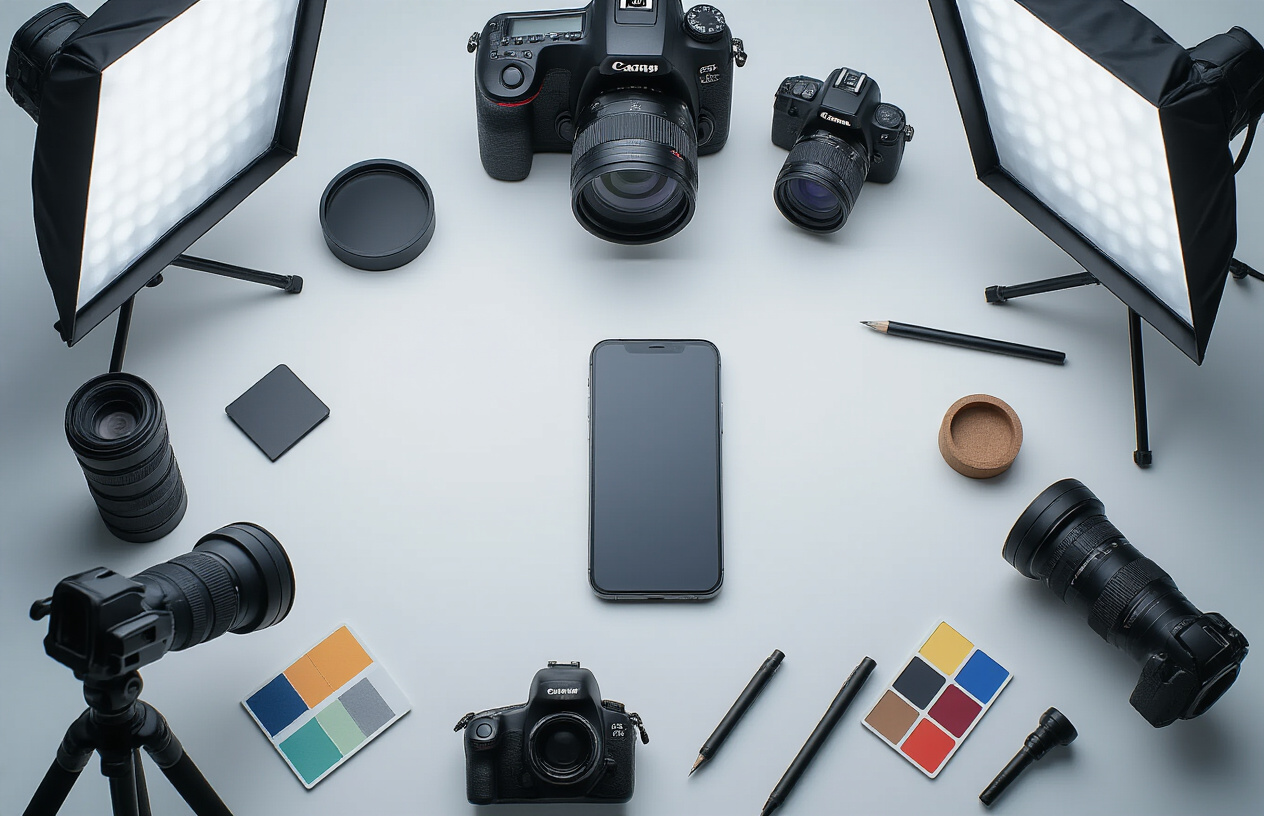
Professional lighting transforms flat, lifeless product shots into captivating images that grab attention and drive sales. Natural lighting works wonders for most products, but controlled studio lighting gives you complete command over shadows, highlights, and overall mood. Softbox lights eliminate harsh shadows while ring lights create that perfect even illumination that makes colors pop.
The secret lies in using multiple light sources to create depth. A key light provides the main illumination, while fill lights reduce unwanted shadows. Background lights separate your product from the backdrop, creating that professional three-dimensional effect customers expect from high quality product images for e-commerce.
Different products need different lighting approaches. Electronics benefit from bright, even lighting that showcases screens and metallic finishes without glare. Clothing requires softer lighting that reveals fabric textures without washing out colors. The investment in proper lighting equipment pays off immediately – your products look more expensive and trustworthy.
Multiple angles showcase product features completely
Single product shots don’t tell the whole story anymore. Customers want to examine every detail before buying, and multiple angles satisfy that need while reducing returns. Start with the hero shot – your main product image that appears in search results and thumbnails. This should show the product in its most recognizable and appealing position.
Add detail shots that highlight unique features, textures, and craftsmanship. For clothing, include close-ups of fabric weave, buttons, and stitching. Electronics need shots of ports, controls, and screen quality. Books benefit from spine shots and page texture images.
Scale reference shots help customers understand size – place products next to common objects or include hands for perspective. Lifestyle shots show products in use, helping customers visualize ownership. This comprehensive approach builds confidence and reduces the guesswork that leads to abandoned carts.
High resolution displays fine details and textures
Pixelated, blurry images scream “amateur” and damage trust instantly. High quality product images for online retail demand crisp resolution that allows customers to zoom in and examine details they’d scrutinize in physical stores. Minimum 1500 pixels on the longest side ensures sharp display across all devices.
Higher resolution captures subtle details that differentiate quality products from cheap alternatives. Fabric weaves, wood grain, metal finishes, and surface textures become selling points rather than mysteries. Product images high resolution photography also future-proofs your catalog as display technology improves.
Storage concerns shouldn’t compromise image quality. Modern compression techniques maintain visual fidelity while keeping file sizes manageable. The extra bandwidth cost pales compared to lost sales from poor image quality.
Consistent styling maintains brand identity
Brand consistency across product images creates a cohesive shopping experience that builds recognition and trust. Develop a style guide covering background colors, lighting setups, angles, and props. This consistency makes your brand instantly recognizable, whether customers see one product or browse your entire catalog.
Color consistency requires calibrated monitors and standardized lighting conditions. Products should appear true-to-life across all images – inconsistent colors confuse customers and increase return rates. Professional product photography workflows include color correction and batch processing to maintain uniformity.
Props and staging elements should align with your brand personality. Minimalist brands use clean backgrounds and simple compositions. Luxury brands might include elegant props that suggest premium lifestyle. Outdoor brands could use natural settings that connect with their target audience’s aspirations.
Technical Standards for Maximum Impact
Optimal file sizes balance quality and loading speed
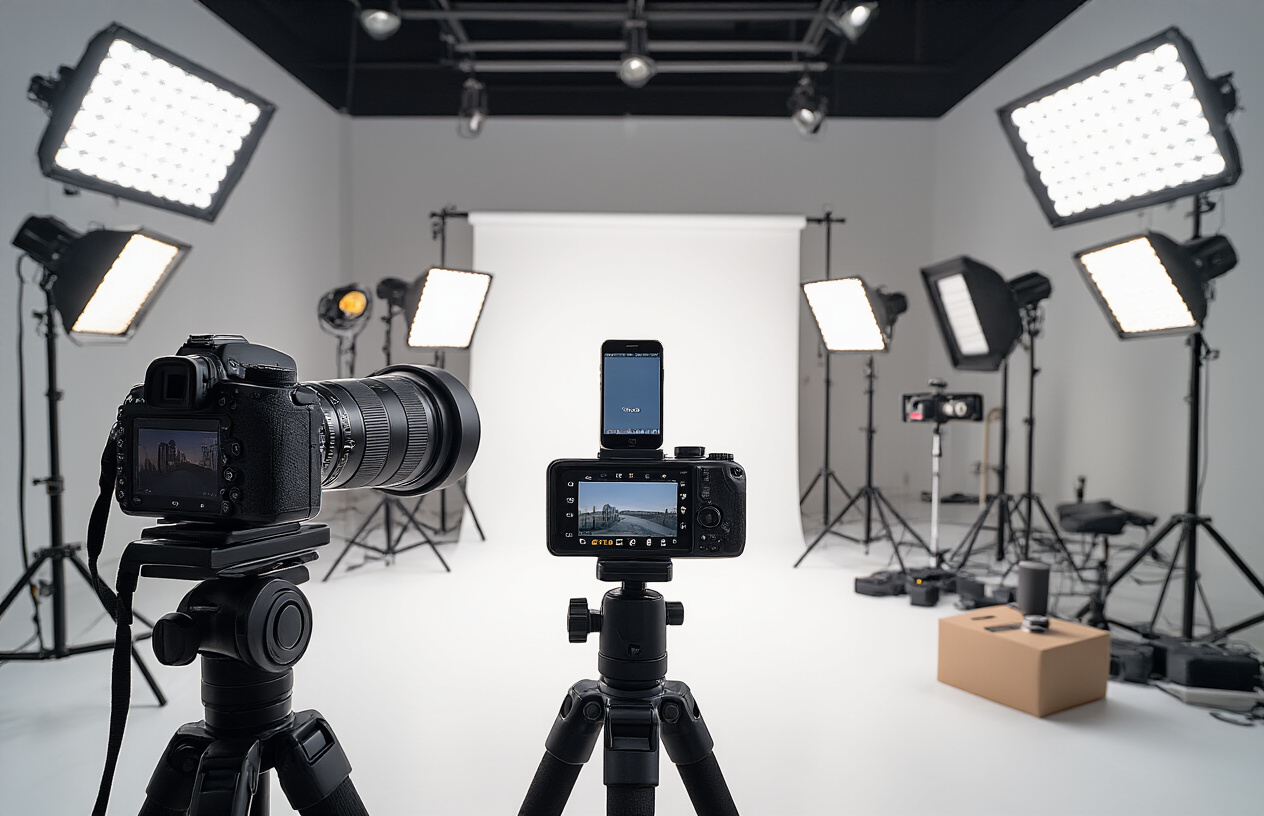
Getting the perfect balance between crisp visuals and fast loading times can make or break your online store. The sweet spot for high quality product images typically falls between 100KB and 500KB per image, depending on complexity and platform requirements. JPEG format works best for photographs with rich detail, while PNG handles graphics with transparent backgrounds better.
For e-commerce product images, aim for files under 200KB without sacrificing visual clarity. Large files above 1MB will slow down your site significantly, causing potential customers to bounce before they even see your products. Modern compression tools can reduce file sizes by up to 70% while maintaining professional quality that showcases your products effectively.
Consider implementing WebP format for browsers that support it – this newer format delivers the same visual quality at 25-35% smaller file sizes compared to JPEG. Many e-commerce platforms now automatically serve WebP to compatible browsers while falling back to JPEG for older ones.
Smart compression techniques include reducing unnecessary metadata, optimizing color palettes, and using progressive JPEG loading. This approach loads images in layers, showing a low-quality version first that gradually sharpens as more data loads.
Correct dimensions fit platform requirements perfectly
Each selling platform has specific image dimension requirements, and getting these wrong can hurt your product visibility. Amazon recommends images at least 1000×1000 pixels for zoom functionality, while Instagram Shopping works best with square 1080×1080 images. eBay supports various ratios but 1600×1200 pixels often performs well across listings.
| Platform | Recommended Dimensions | Aspect Ratio | Special Notes |
|---|---|---|---|
| Amazon | 2000×2000 pixels | 1:1 | Enables zoom feature |
| eBay | 1600×1200 pixels | 4:3 | Multiple ratios accepted |
| Shopify | 2048×2048 pixels | 1:1 | Responsive scaling |
| Instagram Shopping | 1080×1080 pixels | 1:1 | Square format required |
| Facebook Shop | 1200×1200 pixels | 1:1 | Minimum 500×500 |
Creating high quality product images at these exact dimensions prevents cropping issues and ensures your products display properly across all devices. Many platforms automatically resize uploaded images, which can degrade quality if your originals don’t match their specifications.
Maintain consistent dimensions across your entire product catalog for a professional appearance. This consistency helps with automated processes like bulk uploads and ensures uniform display in category pages and search results.
Color accuracy ensures realistic customer expectations
Color accuracy in high quality product photography directly impacts customer satisfaction and return rates. Monitors display colors differently, but calibrating your workflow prevents major discrepancies between what customers see online and what they receive.
Use a color-calibrated monitor when editing product images, and work in sRGB color space – the standard for web display. This color profile ensures the widest compatibility across different devices and browsers. Adobe RGB or ProPhoto RGB might offer wider color ranges, but they can cause unexpected shifts when viewed on standard monitors.
Lighting temperature affects color perception significantly. Shoot products under daylight-balanced lighting (5500K-6500K) to achieve the most accurate color representation. Mixed lighting sources create color casts that are difficult to correct in post-processing and can mislead customers about actual product appearance.
Include color-neutral references like gray cards in setup shots to verify accuracy during editing. Many high-volume product photography workflows use automated color correction based on these reference points, ensuring consistency across hundreds or thousands of product images.
For clothing and fashion products, color accuracy becomes even more critical since customers can’t feel fabrics or see true colors in person. Slight color variations between online images and actual products account for a significant percentage of returns in fashion e-commerce.
Strategic Photography Techniques That Boost Sales
Lifestyle Shots Demonstrate Real-World Product Usage
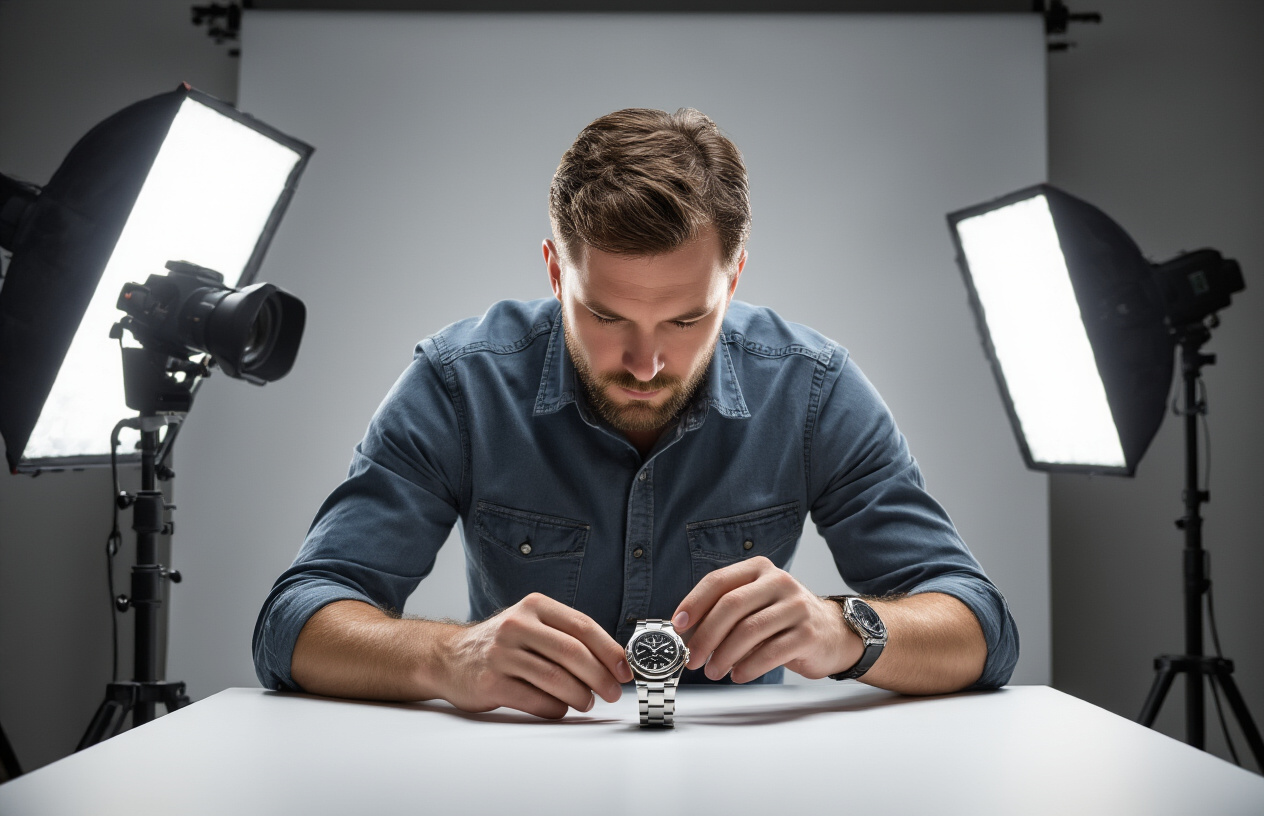
Lifestyle photography transforms ordinary products into must-have items by showing them in action. Instead of sterile product shots, these images place your items in realistic settings where customers can envision themselves using them. A coffee mug looks infinitely more appealing when photographed on a cozy kitchen counter with steam rising from fresh coffee than sitting alone on a white background.
Create scenarios that resonate with your target audience. For clothing, show models wearing pieces in settings your customers frequent – coffee shops, offices, or weekend getaways. Electronics benefit from being photographed in home environments or workspaces, demonstrating their practical integration into daily life. These high quality product images for e-commerce help bridge the gap between online browsing and real-world ownership.
The key lies in authenticity. Avoid overly staged scenes that feel artificial. Natural lighting and genuine expressions create more compelling narratives that drive purchasing decisions.
Close-Up Details Highlight Quality and Craftsmanship
Detail shots serve as your product’s quality ambassadors. These intimate views showcase textures, materials, and construction elements that customers can’t physically examine online. For clothing, capture fabric weaves, button details, and stitching quality. Electronics should feature ports, controls, and build materials up close.
High quality product photography demands macro capabilities to reveal intricate details that communicate value. A leather handbag’s grain pattern, a watch’s dial texture, or smartphone’s edge finishing all tell quality stories that justify price points.
Multiple detail shots work better than single comprehensive images. Create a visual journey that guides customers through your product’s finest features. This technique proves especially effective for premium items where craftsmanship justifies higher costs.
Scale Reference Helps Customers Judge Size Accurately
Size perception remains one of e-commerce’s biggest challenges. Without physical interaction, customers struggle to understand product dimensions. Smart photographers include familiar objects or hands to provide instant scale context.
A coin next to jewelry, hands holding electronics, or models wearing accessories immediately communicate size relationships. For furniture or large items, room settings with standard elements like doors, windows, or common household items help customers visualize proportions.
Consider your audience’s perspective. What size concerns do they typically have? Address these directly through strategic reference placement in your high quality product images for online shopping.
Clean Backgrounds Eliminate Distracting Elements
Background choice dramatically impacts viewer focus and perceived product value. Clean, neutral backgrounds ensure your product remains the star while maintaining professional appearance standards across your catalog.
White and light gray backgrounds dominate e-commerce for good reason – they provide maximum contrast for most products and maintain consistency across product lines. However, subtle variations like off-white or very light textures can add visual interest without distraction.
Avoid busy patterns, bright colors, or cluttered environments that compete for attention. Your background should enhance, never overpower, your product’s visual appeal.
Props and Styling Create Emotional Connections
Strategic prop selection transforms product photography from documentation into storytelling. Props should complement rather than compete, creating context that helps customers imagine ownership experiences.
For kitchen products, include fresh ingredients or completed dishes. Tech accessories pair well with modern workspace elements. Fashion items benefit from lifestyle props that suggest the wearer’s personality and activities.
Color coordination between props and products creates visual harmony. Limit prop quantity to maintain focus while building compelling narratives. The goal is emotional resonance that transforms browsing into buying behavior through carefully crafted high quality product images for e-commerce.
Platform-Specific Image Optimization Strategies

Amazon requires white backgrounds for main images
Amazon’s strict white background requirement for primary product listings isn’t just a guideline—it’s mandatory for most categories. Your main product image must feature a pure white background (RGB 255, 255, 255) with no shadows, props, or text overlays. This creates a clean, professional appearance that helps high quality product images for e-commerce stand out in search results.
The product should fill 85% of the image frame, giving customers a clear view without overwhelming the space. Amazon’s algorithm favors listings that follow these specifications, improving your visibility in search rankings. Professional high quality product photography becomes essential here, as amateur shots with colored backgrounds or poor lighting get rejected.
Beyond the technical requirements, white backgrounds create visual consistency across Amazon’s platform. Shoppers can compare products more easily when distractions are eliminated. Your secondary images can showcase lifestyle shots, different angles, and detailed features—but that primary image needs to be spotless white.
Social media platforms favor square format images
Instagram, Facebook, and Pinterest algorithms prioritize square format images in their feeds. The 1:1 aspect ratio maximizes screen real estate on mobile devices, where most social shopping happens. High quality product images for online shopping perform significantly better when optimized for each platform’s preferred dimensions.
Instagram Stories work best with 9:16 vertical formats, while feed posts shine in square formats. Pinterest favors vertical 2:3 ratios that stand out in their grid layout. Creating multiple versions of your product shots ensures maximum engagement across platforms.
Consider how your product looks when cropped to different ratios. A wide shot of clothing might lose important details when forced into a square format, while electronics often adapt well to various dimensions. Planning your high quality product images for e-commerce site with multiple formats in mind saves time and maintains visual quality.
Website galleries benefit from zoom functionality
Your e-commerce website gives you complete control over image presentation, making zoom functionality a powerful sales tool. High-resolution product images allow customers to examine details that physical shopping would reveal—fabric texture, build quality, or intricate design elements.
Implement progressive loading to maintain fast page speeds while offering detailed zoom capabilities. Start with optimized preview images, then load full-resolution versions when customers interact with the zoom feature. This approach balances performance with the detailed viewing experience that drives conversions.
Consider 360-degree product views for complex items like electronics or furniture. These interactive images let customers explore products from every angle, building confidence in their purchase decision. High quality product images electronics benefit particularly from this treatment, as technical details and port locations become clearly visible.
Mobile optimization ensures clear viewing on small screens
Mobile devices account for over 70% of e-commerce traffic, making mobile-optimized images crucial for sales success. Product images must remain clear and detailed even on small screens, requiring careful attention to composition and file optimization.
Use responsive image techniques that serve appropriately sized files based on device capabilities. A 2000px image wastes bandwidth on mobile devices, while a 300px image looks pixelated on desktop displays. Modern web standards support multiple image sizes, automatically selecting the best version for each viewing situation.
Optimize Product Images for All Screens
Test your high quality product images for online retail across various devices and screen sizes. What looks perfect on a desktop monitor might become unclear on a smartphone screen. Focus on clean backgrounds, high contrast, and simple compositions that translate well to smaller displays. Your product should be immediately recognizable even in thumbnail size, as mobile shoppers often make quick scrolling decisions based on these mini previews.

High-quality product images aren’t just nice to have—they’re absolutely critical for online success. When shoppers can’t touch or examine your products in person, your photos become their only way to evaluate what you’re selling. The difference between a blurry, poorly lit snapshot and a professional, well-composed image can literally make or break a sale. Your photos need sharp focus, proper lighting, and should showcase your product from multiple angles while highlighting its best features.
Getting the technical details right and tailoring your images for each platform you sell on will give you a serious edge over competitors who don’t put in this effort. Start by investing in better photography equipment or hiring a professional photographer if your budget allows. Remember, every pixel counts in the digital marketplace, and customers will judge your entire brand based on the quality of your product images. Make those first impressions count—your sales numbers will thank you for it.
FAQs
What makes a product image “high quality”?
A high quality product image is sharp, well-lit, and shows your product clearly. It should have good resolution (at least 1000 pixels wide), accurate colors, and no blur or pixelation. The image should also be properly cropped and composed to highlight your product’s best features.
Why are good product images so important for online sales?
Since customers can’t touch or examine products in person when shopping online, images are their only way to evaluate what they’re buying. Clear, detailed photos build trust and help customers make confident purchasing decisions, which leads to more sales and fewer returns.
How many product images should I include for each item?
Include at least 3-5 images per product. Show the main product view, close-up details, different angles, and the product in use if possible. For clothing, include front, back, and side views. More images give customers a complete picture of what they’re buying.
Should I hire a professional photographer or take photos myself?
This depends on your budget and skills. Professional photographers deliver consistent, high-quality results and know how to make products look their best. However, you can take good product photos yourself with proper lighting, a clean background, and a decent camera or smartphone.
What’s the best background to use for product photos?
White or neutral backgrounds work best for most products because they don’t compete with your item for attention. White backgrounds also meet the requirements for many online marketplaces like Amazon. For lifestyle shots, choose backgrounds that complement your product without overwhelming it.
How important is lighting when taking product photos?
Lighting is extremely important. Good lighting makes colors appear accurate and eliminates harsh shadows that can hide product details. Natural daylight or professional lighting equipment works best. Avoid using your camera’s flash, which can create unwanted reflections and shadows.
What image format and size should I use for online stores?
Use JPEG format for most product images as it provides good quality with smaller file sizes. PNG works well for images with transparent backgrounds. Aim for images that are 1000-2000 pixels wide. Check your online store’s specific requirements, as some platforms have recommended dimensions.
How do product images affect my search rankings?
Search engines can’t “see” images the way humans do, but they read image file names and alt text. Use descriptive file names and alt text that include relevant keywords. High-quality images also improve user experience, which can indirectly help your search rankings.
Should I show my products being used by real people?
Yes, lifestyle images showing products in use help customers imagine owning and using your items. These photos create an emotional connection and demonstrate the product’s scale, fit, and practical benefits. Mix these with clean product shots for the best results.
How often should I update my product images?
Review and update your product images regularly, especially if your product design changes or if you notice your current photos aren’t performing well. Also update images if they look outdated compared to competitors or if you’ve improved your photography skills and equipment.